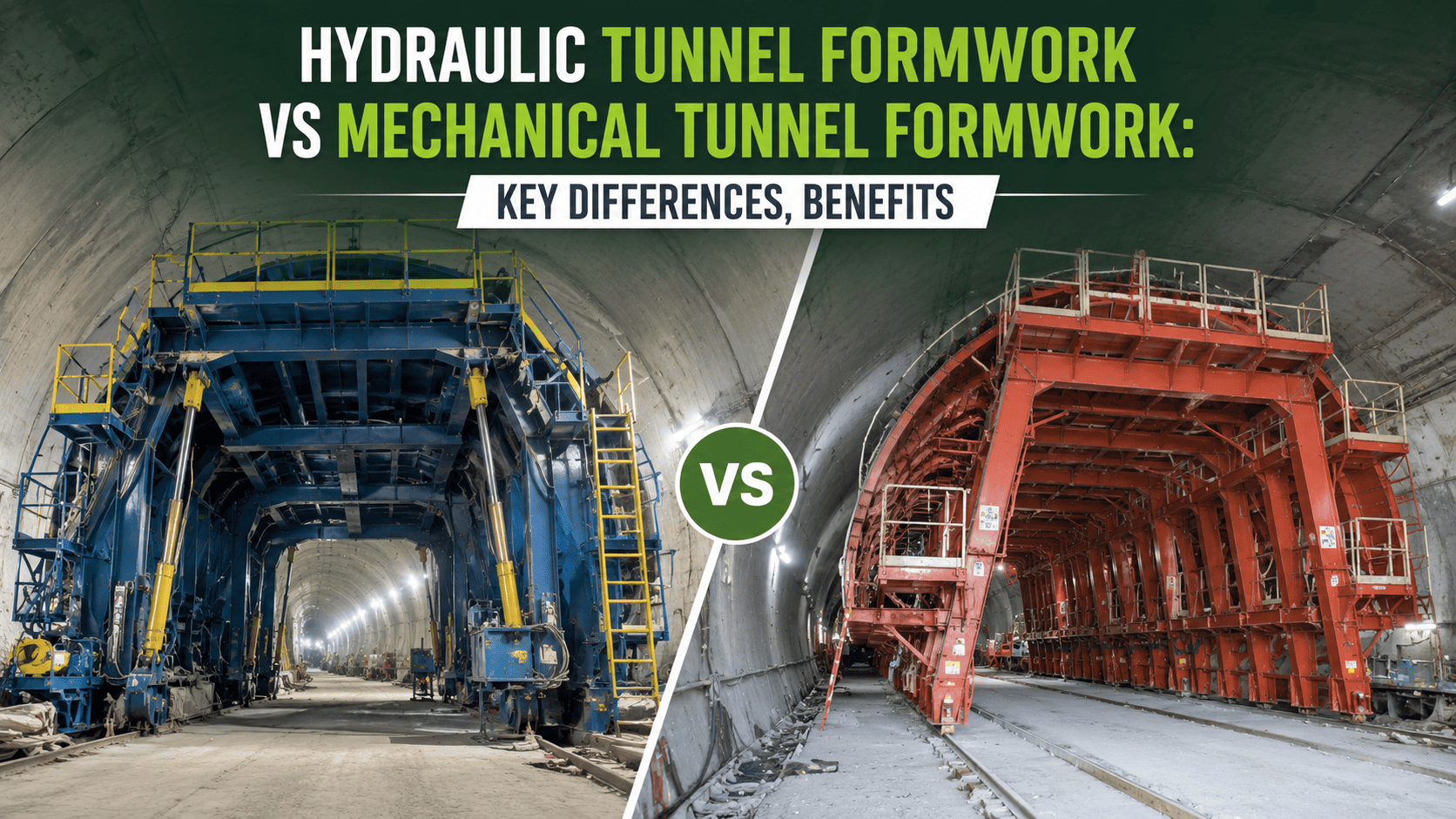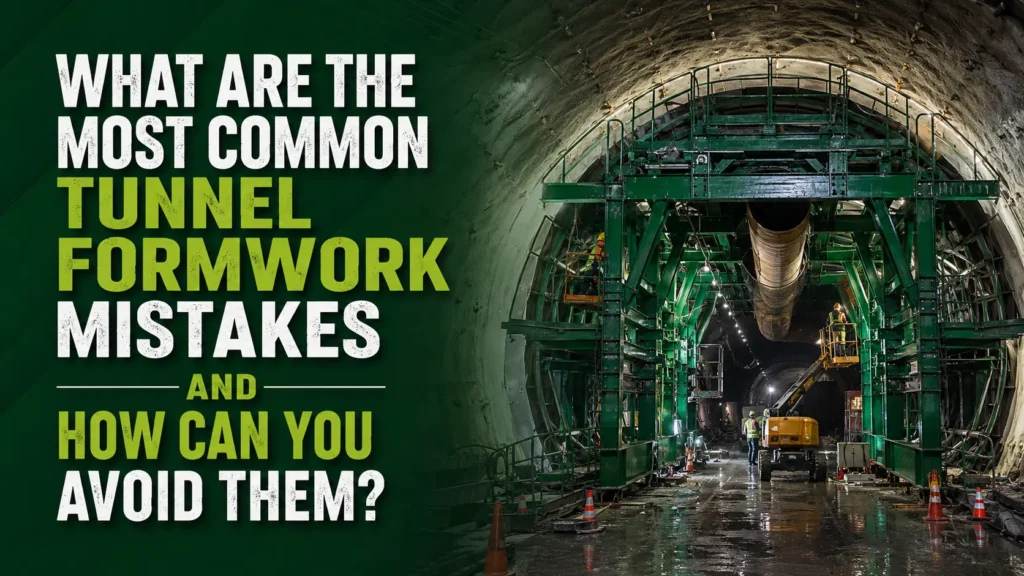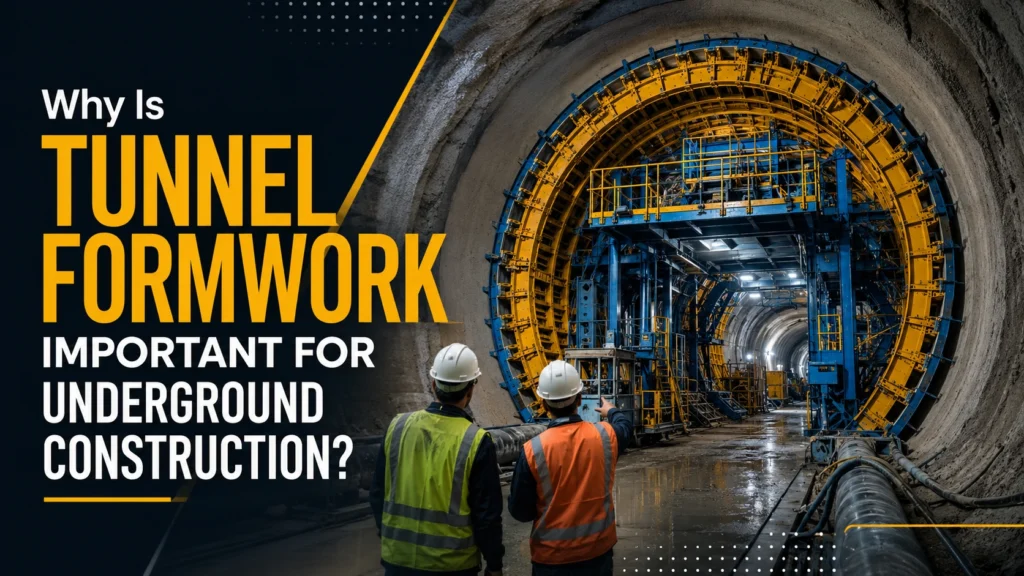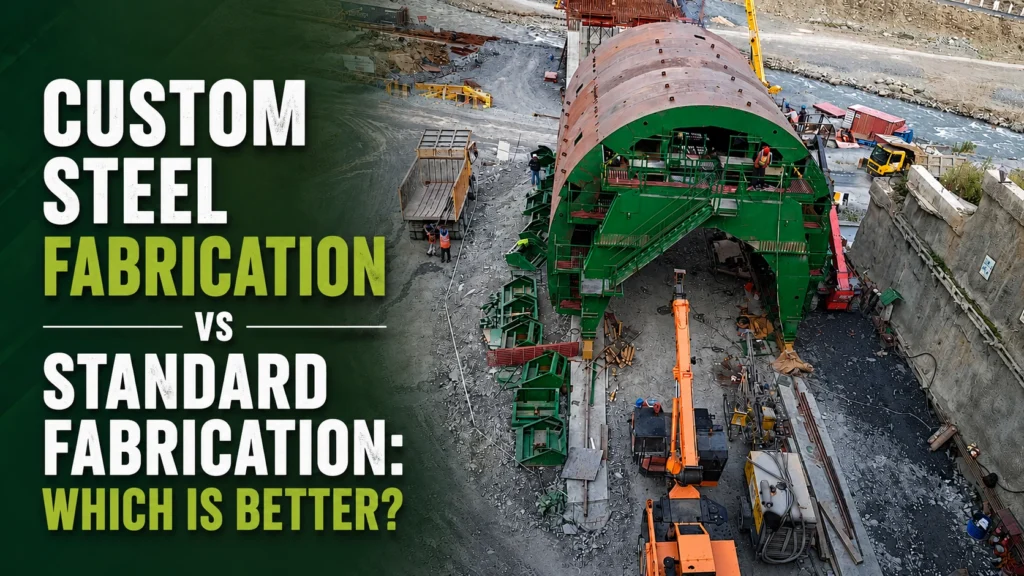
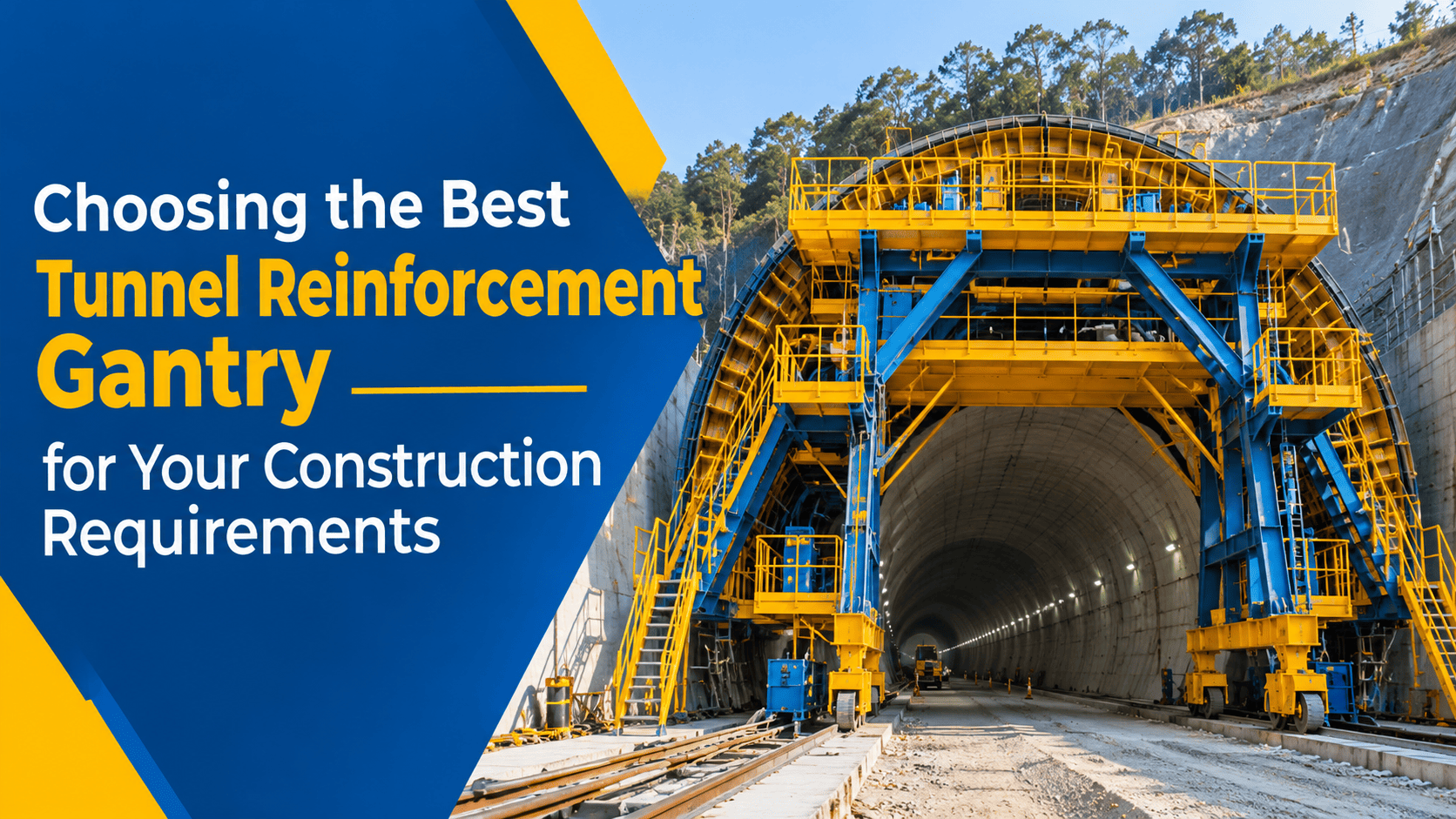
Tunnel reinforcement gantries are essential equipment for modern tunnel construction projects that require effective, accurate, and safe installation of all kinds of steel reinforcement.
With the right gantry, you can improve construction productivity, reduce manual work, and help maintain the quality of reinforced concrete tunnel linings. The best equipment depends on tunnel dimensions, project design, reinforcement requirements, site conditions, and construction schedules.
Table of Contents
What Is a Tunnel Reinforcement Gantry?
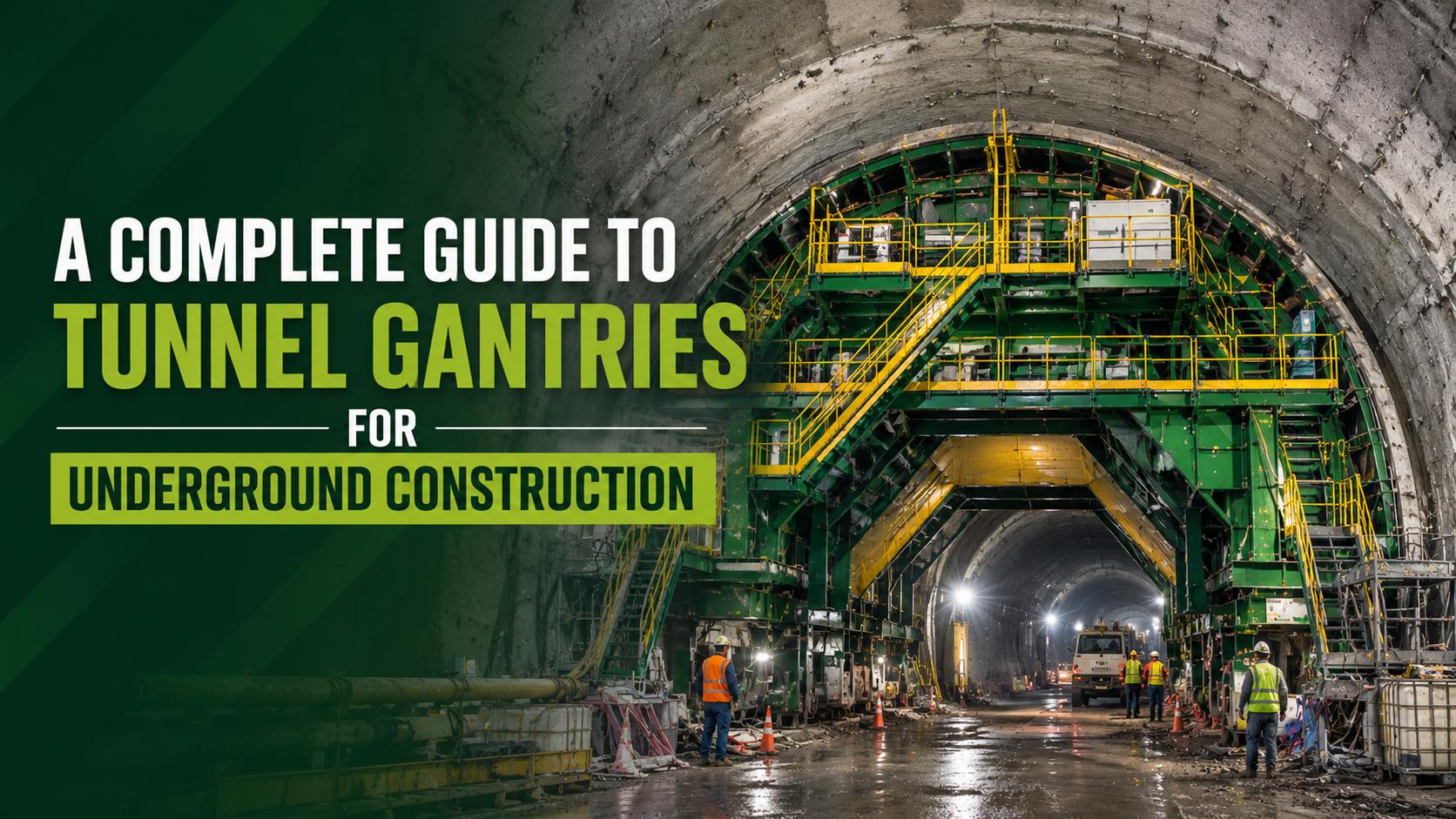
A tunnel reinforcement gantry from NPEC (National Power Engineering Company ) is a specialised steel framework or mechanical apparatus which is used to support and assist in the positioning of reinforcement bars and cages during the construction of a tunnel.
They are used in infrastructure works such as road tunnels, railway tunnels, metro systems, and underground structures. A gantry can include working decks, access systems, lifting devices, and reinforcement handling.
Factors to Consider When Choosing a Tunnel Reinforcement Gantry
Some of the factors to consider when choosing a tunnel reinforcement gantry are as follows:
1. Tunnel Dimensions and Project Design
The tunnel’s size and shape are the first things to consider when choosing a gantry. Tunnel height, width, bends, and cross-sectional shape affect the required equipment size and configuration.
If several tunnel sections are being driven, consider whether the gantry will assist the working envelope and reinforcement configuration. A properly designed gantry can let workers access the area without restricting other construction activities.
2. Load Capacity and Structural Strength
It must support its own weight, workers, reinforcement units, machinery, and any other loads shown on the drawings. Consider the heaviest working load and how it will be distributed.
3. Safety Features and Worker Accessibility
Safety is the top priority for all kinds of underground construction. The gantry includes working platforms as required, with guardrails, safe access ladders/stairs, and slip-resistant floors where needed.
Additional safety measures include lift points, emergency access, and work procedures. Equipment required to be considered for tunnel ventilation, lighting, confined working areas, and emergency escape.
4. Customisation and Compatibility
Every tunnel project has its own engineering and operational requirements. Not all typical gantry designs suit projects with non-standard tunnel geometries, tight clearances, or complex reinforcement arrangements.
Certain manufacturers can also set gantry dimensions, platform configuration, access points, and mechanical properties per the project’s approved drawings. Working on existing tunnel construction machinery can avoid workflow disruption.
5. Ease of Assembly, Movement, and Maintenance
Equipment installation, movement and maintenance may impact construction schedules. Consider the feasibility of erecting and demolishing the gantry and transporting and relocating it to the work section.
Where necessary, look into using guided movement mechanisms or mechanised positioning systems. Available inspection points, spare parts, and access to technical assistance can help reduce maintenance issues and equipment failures.
Advantages of Choosing the Correct Gantry
Choosing an appropriate tunnel reinforcement gantry can offer several advantages:
-
Improved productivity:
Organised access and reinforcement installation can help construction teams work more efficiently.
-
Improved worker safety:
Poorly designed set-ups and access systems can be eliminated.
-
Improved installation precision:
Improved location and access make it easier for workers to follow the reinforcement drawings and specifications.
-
Decreased manual handling:
Material handling layouts can reduce excessive lifting and relocation.
-
More efficient project planning:
Equipment adapted to the tunnel configuration may improve coordination of reinforcement, inspection, and concreting.
Actual benefits are predicated on gantry configuration, site conditions, training levels and construction techniques.
Why Choose an Experienced Tunnel Gantry Manufacturer?
Choosing a well-established manufacturer can provide the equipment you need to meet a project’s engineered requirements. Consider the engineering design, fabrication quality, ability to customise, quality-control methods, and the manufacturer’s knowledge of infrastructure projects.
Before you order, obtain the technical drawings, design calculations, load-capacity data, inspection records, and operating and maintenance instructions. Make sure the structure specified satisfies all the safety and project stipulations.
Before finalising your design, consult the manufacturer about the predicted construction sequence, installation width, method, and delivery schedule.
Conclusion
A good reinforcement gantry ensures the appropriate quantity and quality of reinforcement installation. To choose the best equipment, consider tunnel dimensions, capacity, safety, customisation, travel, and maintenance needs.
With the technical data defined and the right manufacturing partner in place, the contractor can then choose from a range of standard gantries that best meet project goals, onsite conditions, and long-term needs.
FAQs
1. What is a tunnel reinforcement gantry used for?
A tunnel reinforcement gantry is a working platform and support system used to install reinforcement during tunnel construction.
2. How do I select a tunnel reinforcement gantry?
For example, consider the tunnel size, capacity, structural design, safety features, customisation, portability, and maintenance.
3. Can a tunnel reinforcement gantry be modified?
Yes, we can work within your specifications and adapt a gantry to your tunnel profile, reinforcement configuration, access constraints and project requirements.