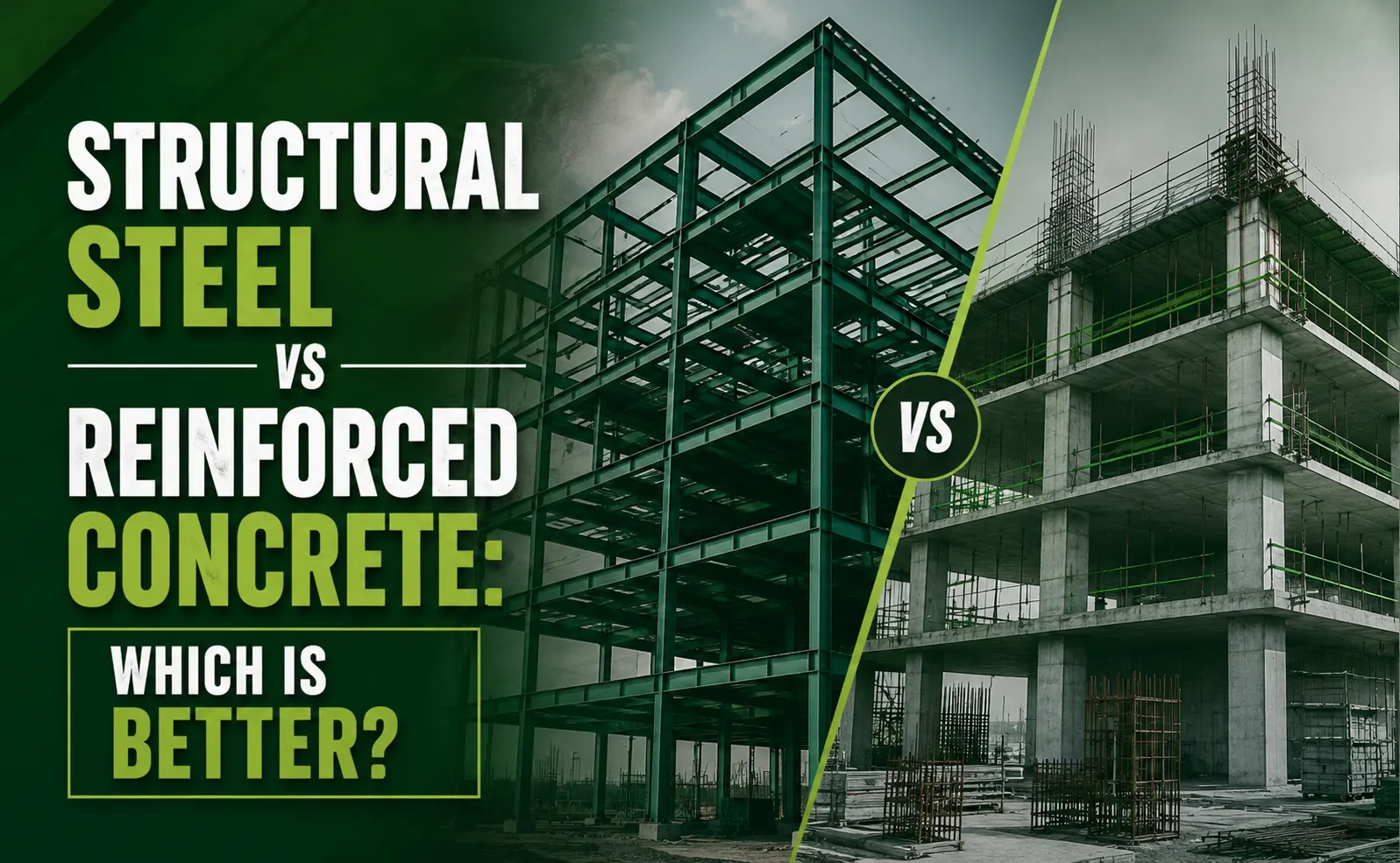
Opting for the right construction material is critical to ensure durability, strength, and cost-effectiveness. Two of the most commonly used construction materials today are structural steel and reinforced concrete. Sometimes both are better; each has its own strengths depending on the project’s nature and needs. This blog compares structural steel and reinforced concrete to help you choose what suits your project.
Table of Contents
What Is Structural Steel?
Structural steel is a strong, flexible material widely used in the construction of long-span buildings, bridges, commercial buildings, factories, warehouses, and other structures. Its high strength-to-weight ratio allows engineers to create structures that are both strong and lightweight.
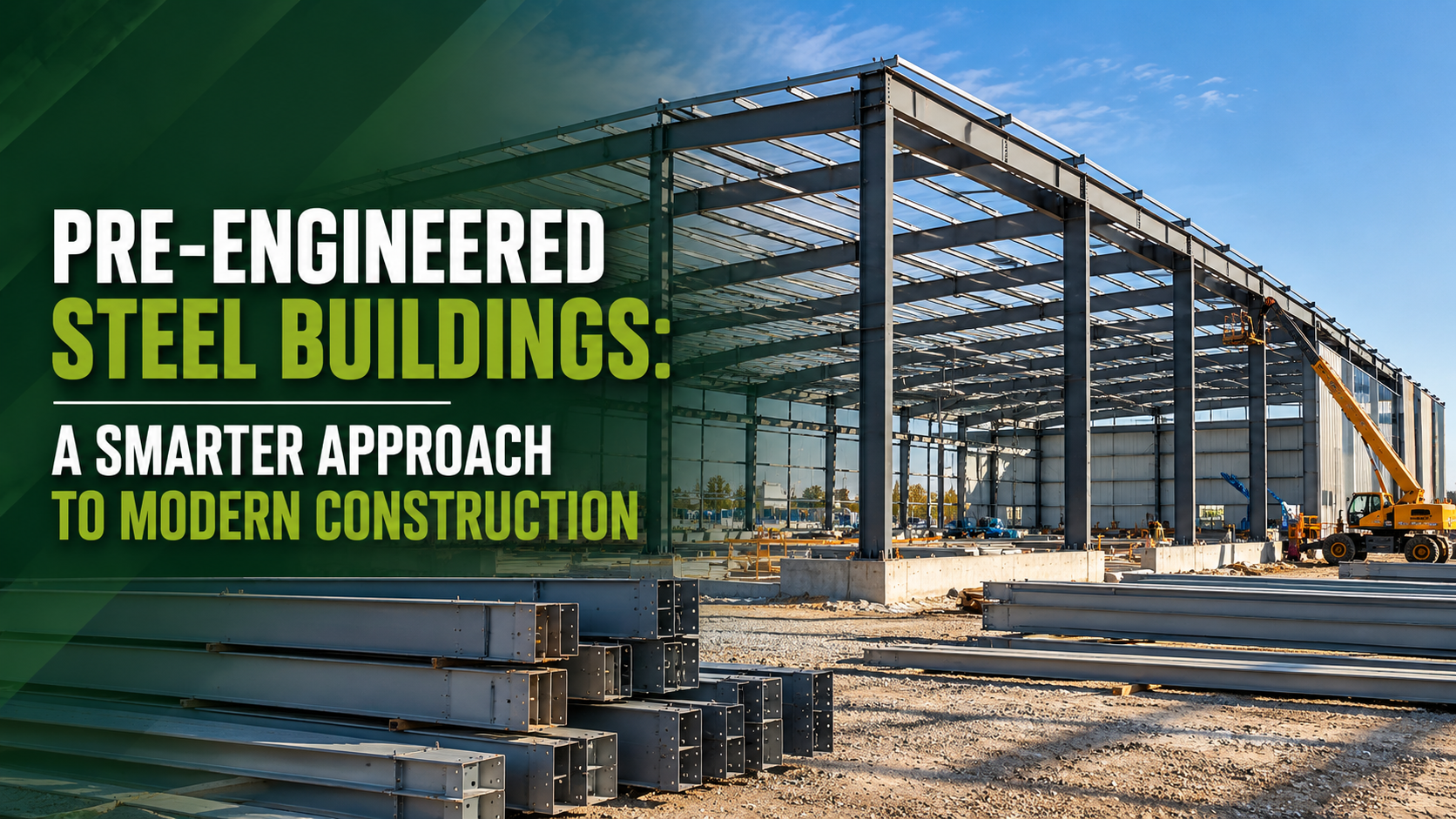
In some cases, steel components are manufactured off-site and delivered to the construction site. This can save construction time and reduce the workforce on-site.
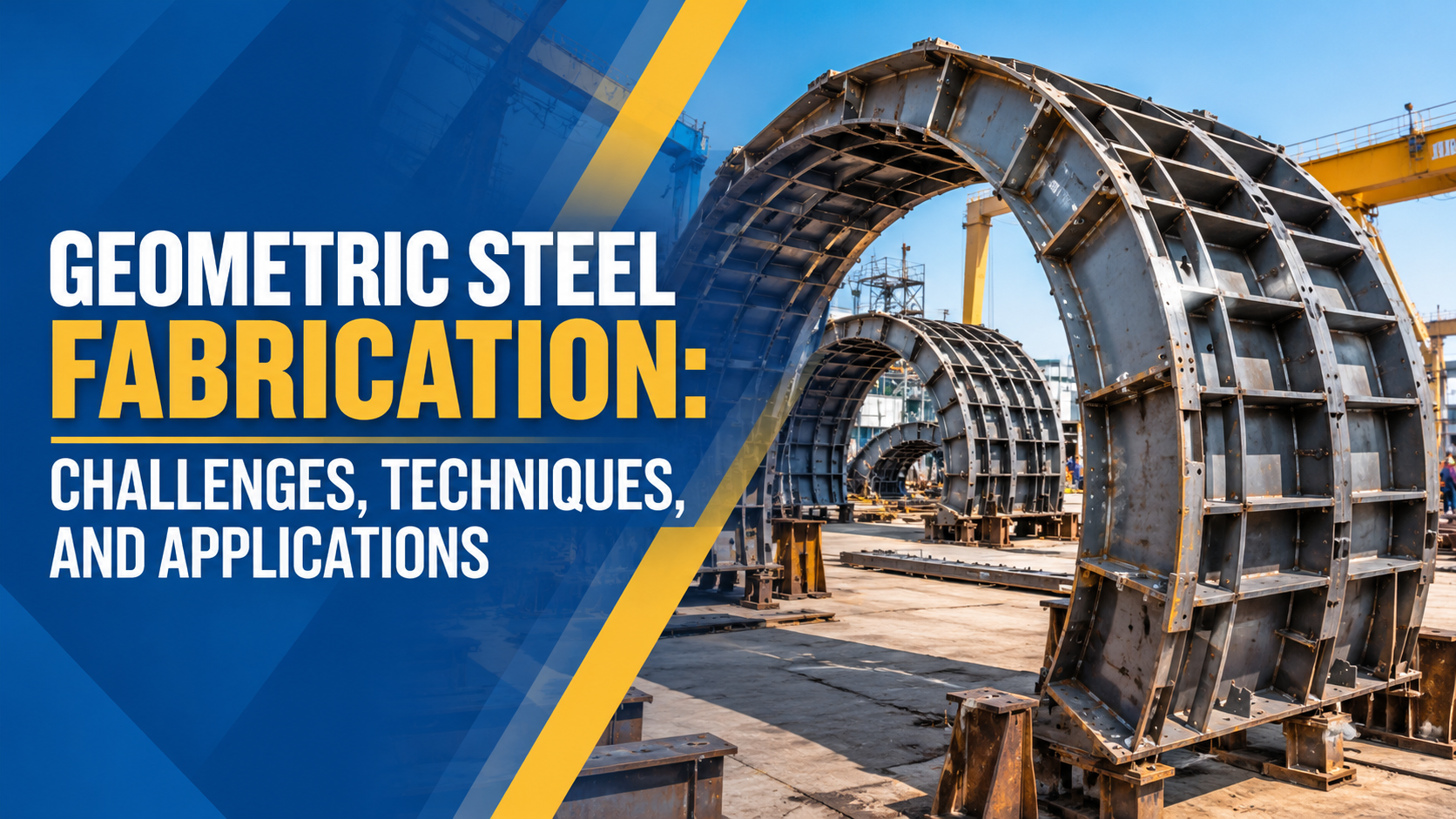
Choosing a supplier with experience in this process, like NPEC, is essential for companies seeking a dependable steel fabrication supplier in India. With quality fabrication, you can be sure you get exact sizes, tight connections, minimal material wastage, and better overall structural performance.
What is Reinforced Concrete?
Reinforced concrete combines concrete with steel reinforcement bars. Concrete has high resistance to compression, and is reinforced with steel for tensile strength.
This makes reinforced concrete suitable for columns, foundations, beams, slabs, houses and all kinds of infrastructure projects. One of the greatest benefits of reinforced concrete is its load-bearing capacity. Concrete structures perform well when they are designed, built, and maintained properly.
Concrete also has excellent fire resistance and contributes significantly to thermal and acoustical performance.
Structural steel vs reinforced concrete: A comparison
1.The ability to resist force and weight
Structural steel has a higher strength-to-weight ratio, making it a more efficient option for buildings that need to support heavy loads without increasing weight. It is mostly useful for long structures and buildings that require large column-free areas.
Reinforced Concrete is known for its high compressive strength and weight. It is particularly suitable for heavy foundations and structures, and where stiffness and stability are paramount.
2.Building Speed & Flexibility
One of the biggest benefits of structural steel is its ability to build structures without interruptions. Major components of a steel structure can be manufactured in factories and installed on site. This can help you minimise construction schedules and major labour requirements.
The major steps involved in reinforced concrete are formwork, placing reinforcement, pouring concrete, and curing. This makes construction very time-consuming. But, concrete is still a good option for many traditional construction projects.
3.Durability and Maintenance
I’s not always the best choice, structural steel and reinforced concrete can perform equally well (or better than other materials) if constructed properly and maintained effectively. Steel requires protection from the corrosive effects of humidity and sometimes even the elements. Conversely, concrete’s ability to withstand the elements depends on construction quality; if it is improperly formed, water can enter cracks, or the concrete fails to protect the rebar, it may degrade quickly.
4.Cost Considerations
The price of a structure is often linked to material costs, transportation, fabrication, labour and installation, project duration, and maintenance and service. In terms of cost benefits, structural steel comes into play when speed in construction, prefabrication, and future changes are essential.
When using natural materials and conventional construction techniques, reinforced concrete can be more economical than other materials.
5. Siliguri has various steel fabrication companies.
If a project needs structural steel, it is imperative to select the right fabrication partner; NPEC is one such partner. When looking for steel fabrication companies in Siliguri, businesses should consider fabrication capabilities, technical expertise, quality control, safety measures, past project experience, and delivery timelines.
A professional fabrication company can help ensure the fabricated steel parts match the engineering drawings and project specifications, minimising delays and installation issues.
Structural Steel vs Reinforced Concrete – Which is better?
There is no definite right or wrong answer to which material is better. Structural steel is often used in warehouses, industrial buildings, commercial structures, and buildings that require open space, flexibility, and speed.
Reinforced concrete is ideal for foundations, residential construction, infrastructure, and projects where mass, stiffness, and fire resistance matter.
The best material depends on the design, location, budget, construction time, and the project’s future needs. But with the help of experienced structural engineers and a reputable fabrication supplier, you can pick the perfect and best solution for every project you undertake.
Where should I find the best structural steel fabrication services in India?
When looking for the best structural steel fabrication service in India, consider experience, fabrication quality, Technical expertise, Safety, and Timely project delivery.
Which company is best to select when it comes to a steel fabrication company in Siliguri?
Look at their expertise, equipment, quality control procedures, project execution record, price, and ability to produce the fabrication work you need.