Concrete formwork is needed in bridge and tunnel construction to resist the concrete pressure and provide the dimensions and shapes specified in the design. Whether for bridge decks and piers or tunnel linings, the right shuttering system improves construction quality, speed, safety, and concrete performance.
Contemporary systems like bridge builder formwork, hydraulic tunnel systems, and specialised railway tunnel formwork help contractors work more efficiently and manage multiple concrete formwork requirements. The selection of the formwork system will be determined by the individual structure, concrete shape, site conditions, load, sequence, etc.
Table of Contents
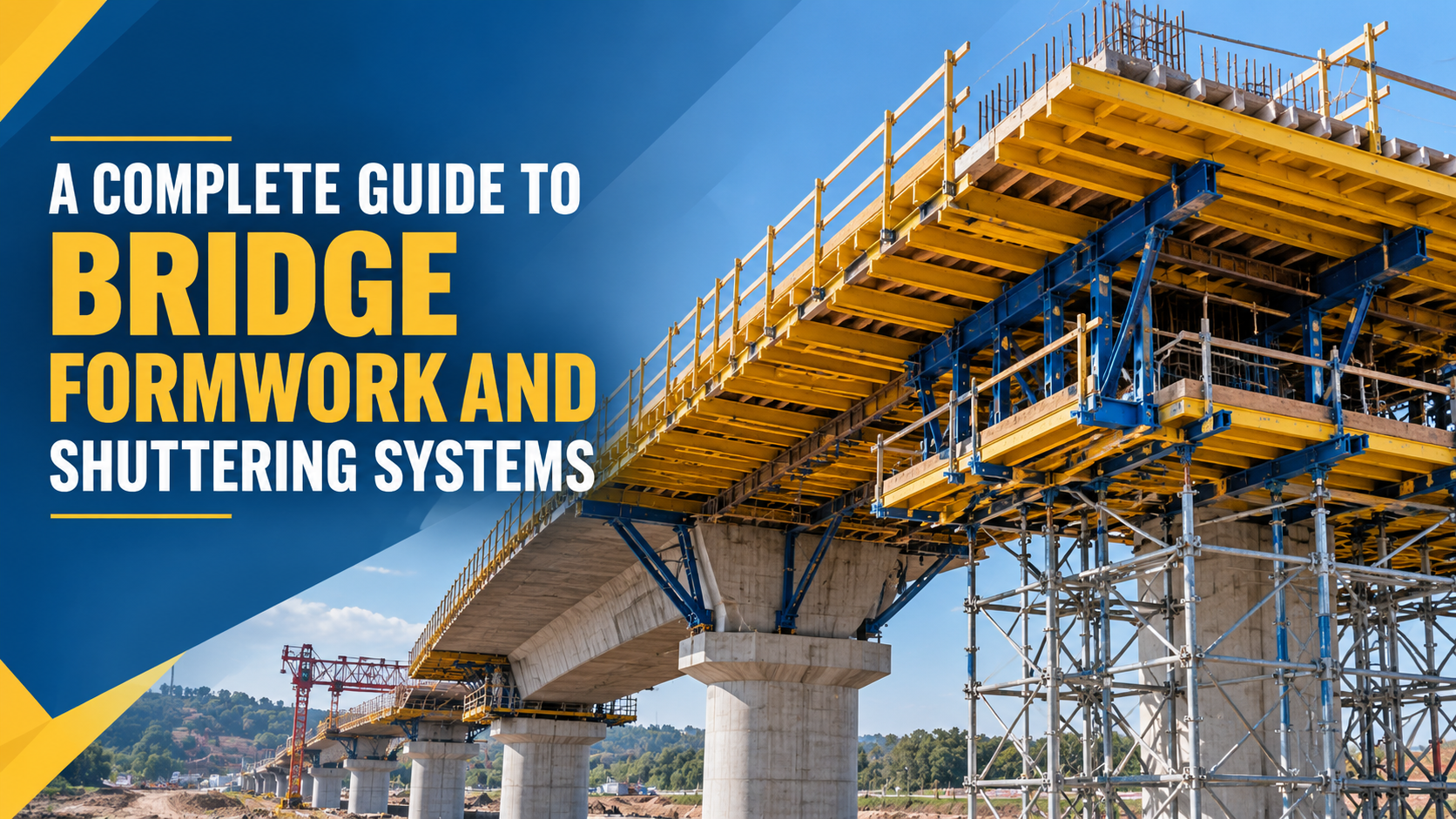
What Is Bridge Formwork and Shuttering?
Bridge formwork is temporary or reusable structural support for concrete until the concrete hardens; it also shapes the concrete. It must support the weight of fresh concrete and any construction loads.
An effective shuttering design delivers dimensional accuracy and lets the construction team multiply sections for large-scale infrastructure and bridge projects.
-
Bridge Deck Formwork
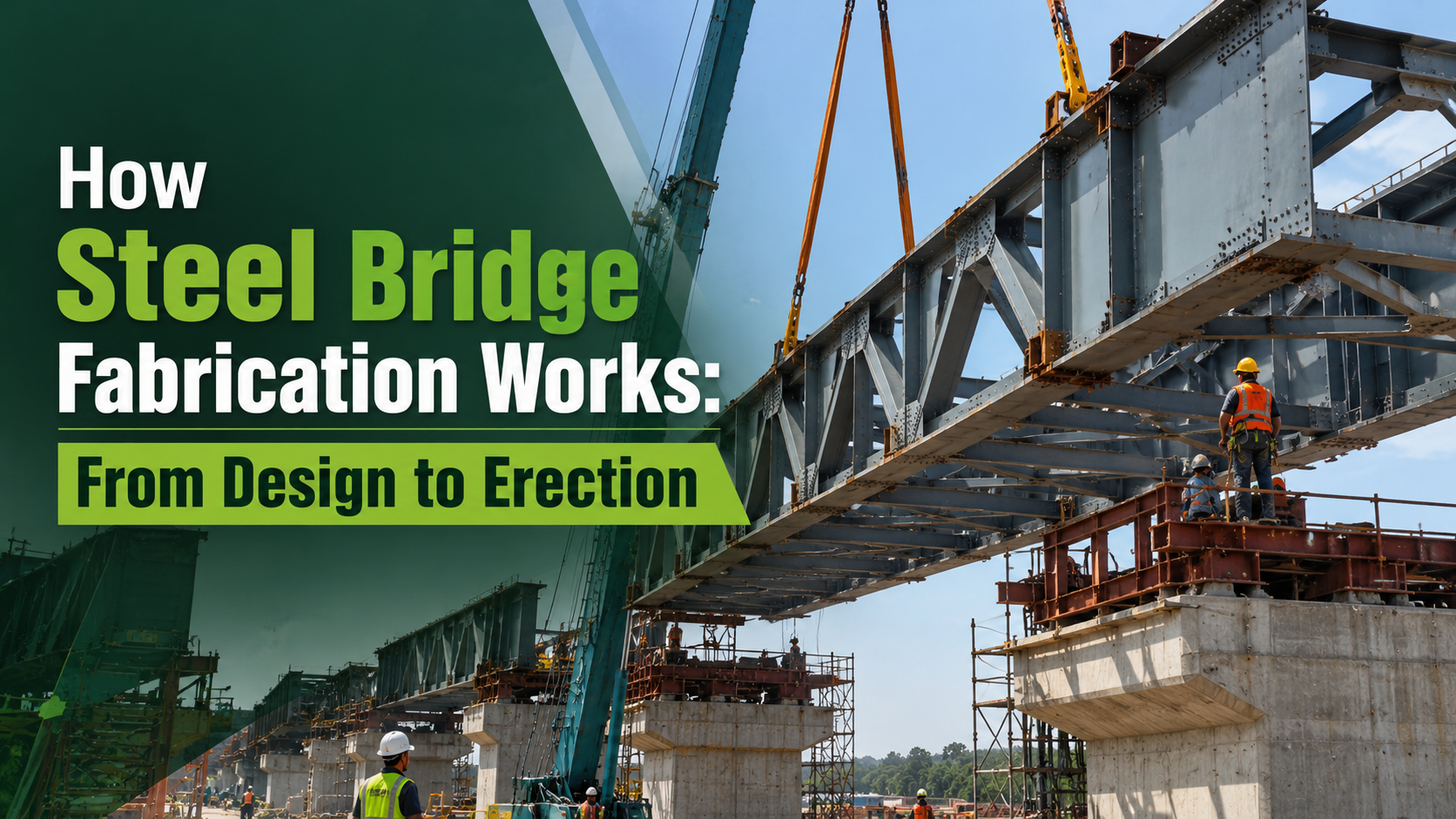
Bridge deck formwork establishes the bridge deck’s geometry and profile before casting the concrete. It must be sufficiently supported, but of course with the levels, lines and shape defined as desired.
-
Pier and Girder Formwork
In some cases specialised formwork may be used for other project elements such as piers, caps, beams or girders. A modular formwork system can expedite the process when repeating structural elements are required.
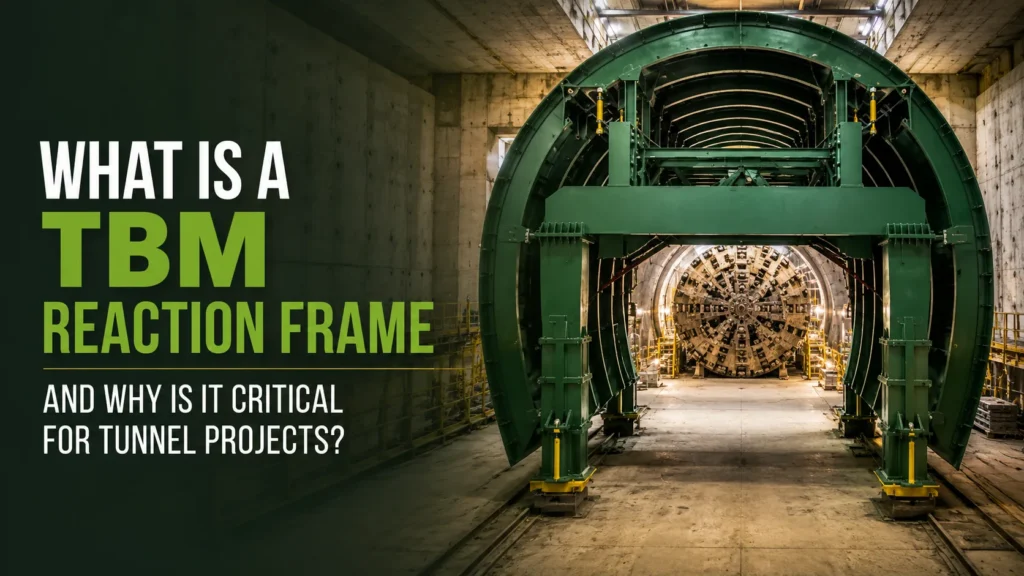
Understanding Tunnel Formwork Systems
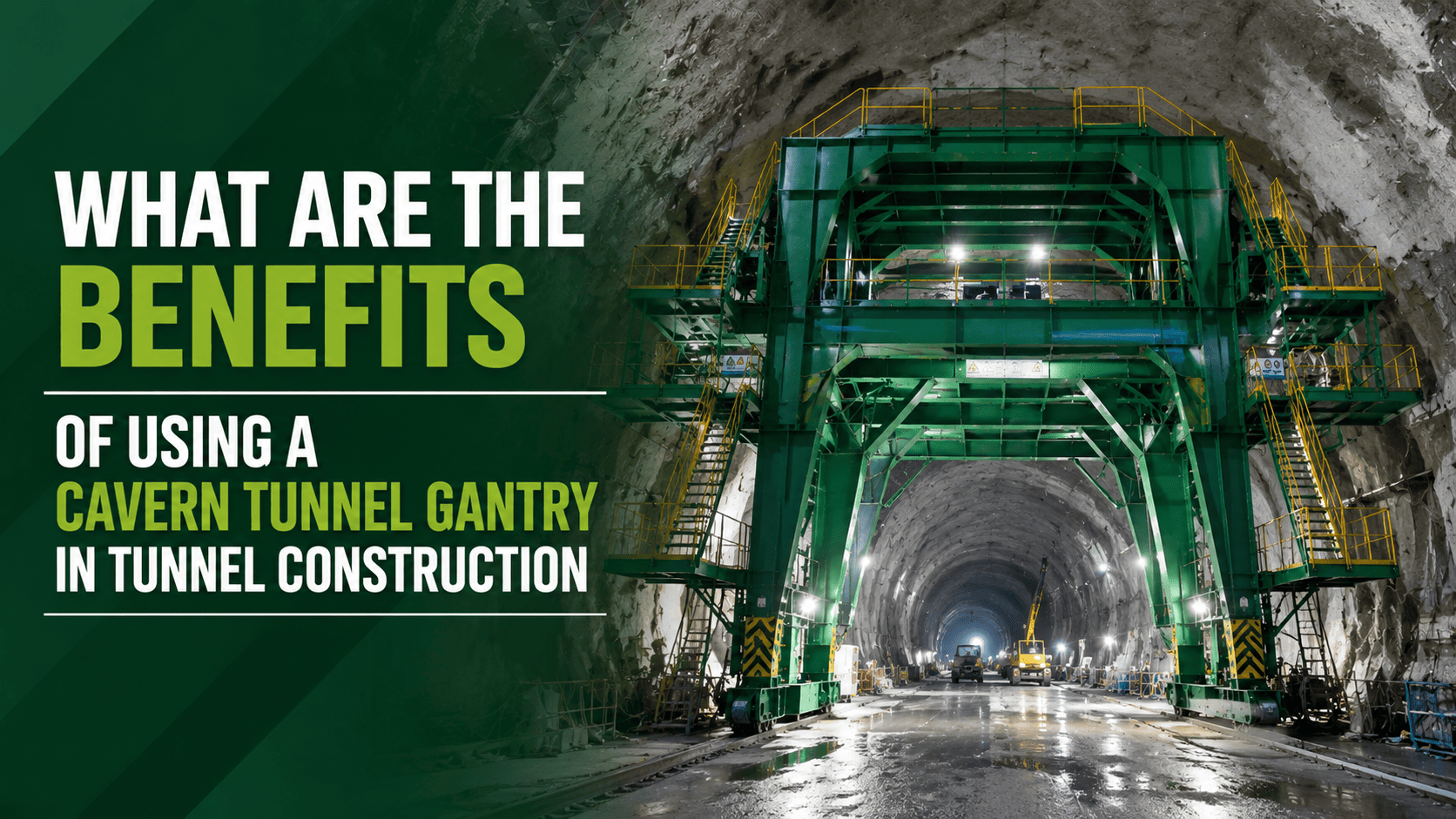
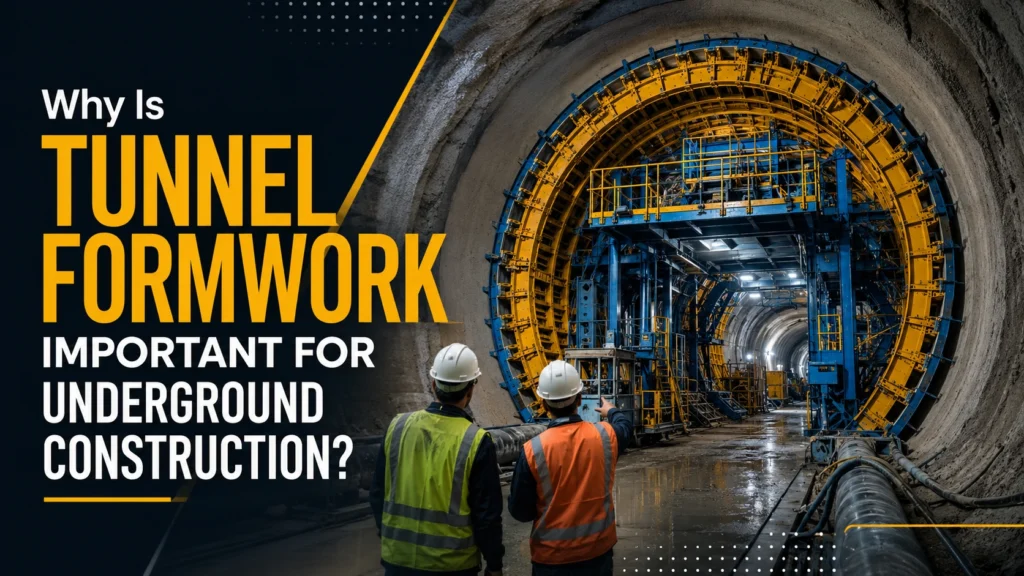
Tunnel formwork is used for reinforcing the correct concrete linings and structural sections. This type of formwork is required to be installed in tunnels which require installation space and conformance to construction sequence standards, unlike standard building formwork.
A stable system lets the contractor maintain a constant tunnel size while supporting efficient concrete placement and stripping.
-
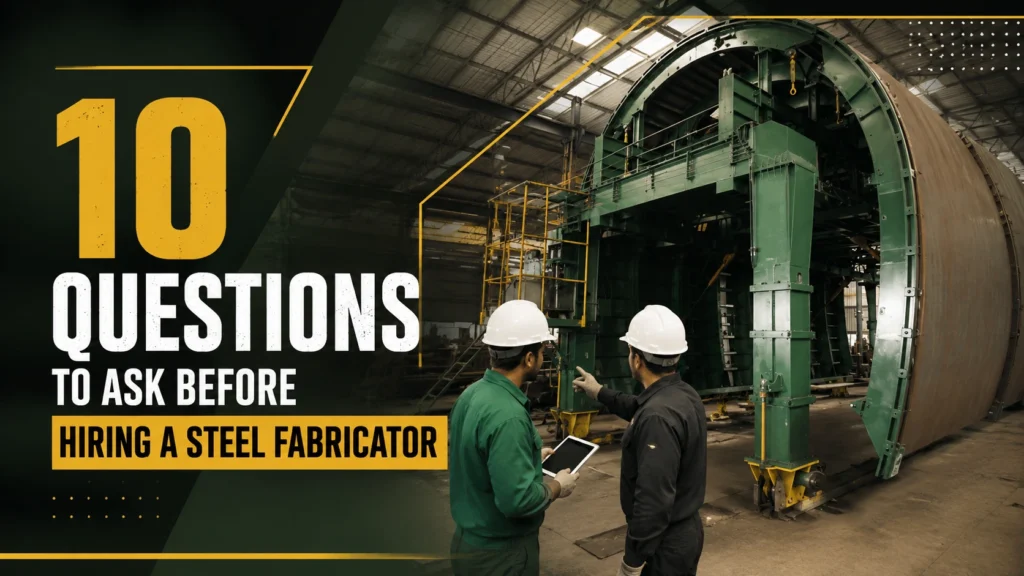
Tunnel Formwork Fabricator
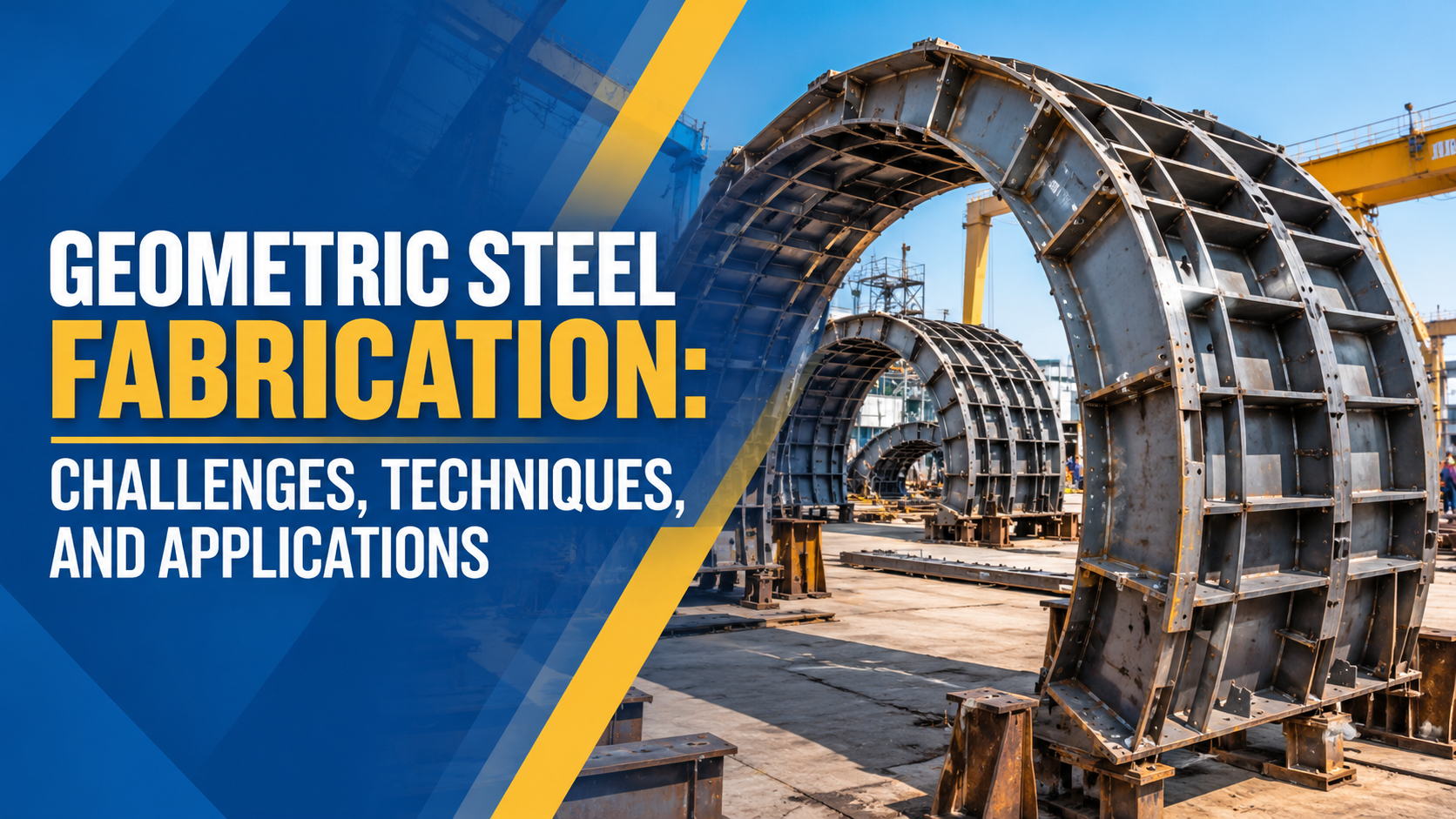
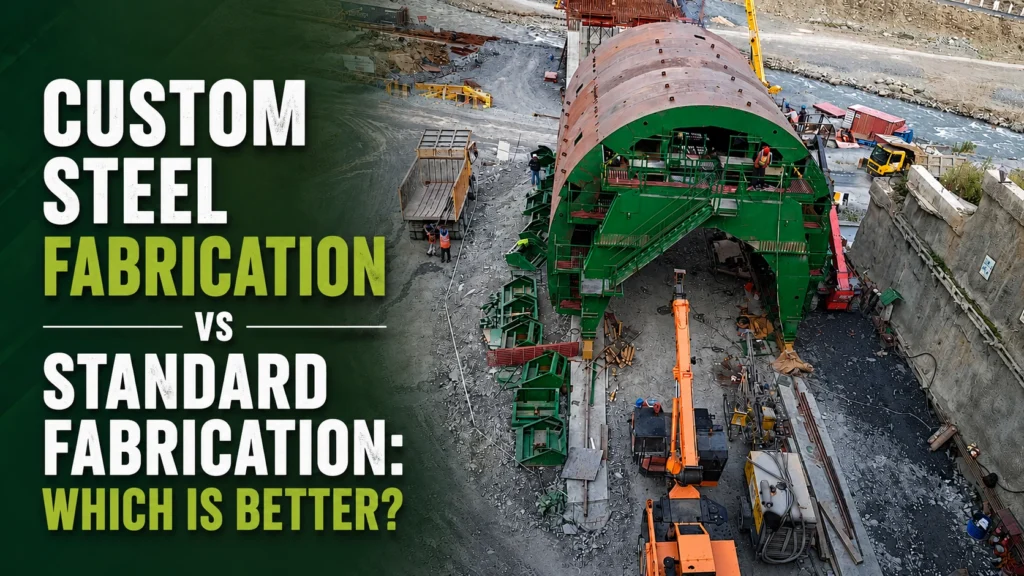
A Tunnel Formwork Fabricator creates and builds tunnel formwork systems based on tunnel dimensions, line widths, line loads, and other line-related conditions. Correct fabrication is crucial; an error in the shutter can impact the final tunnel profile.
-
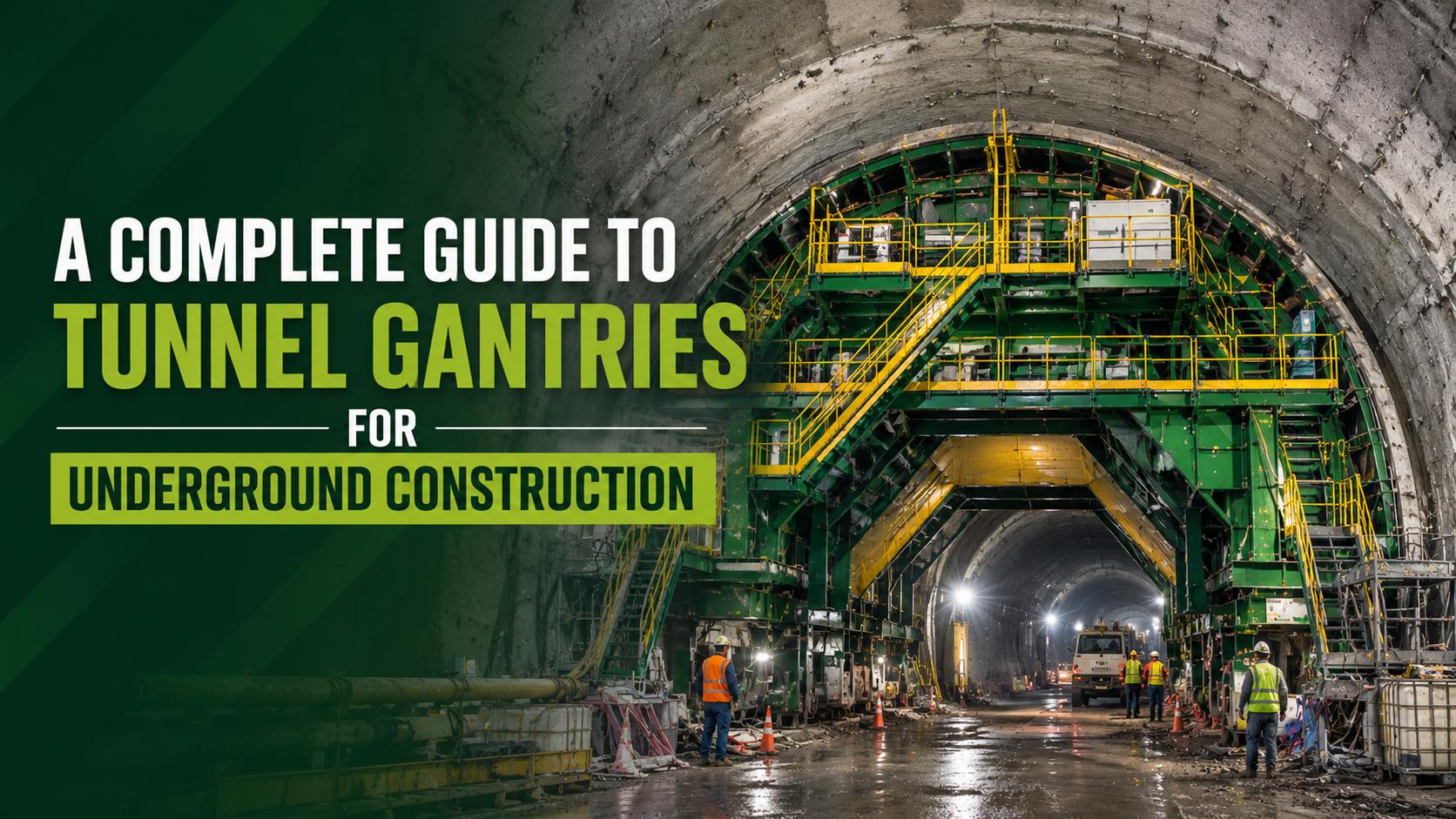
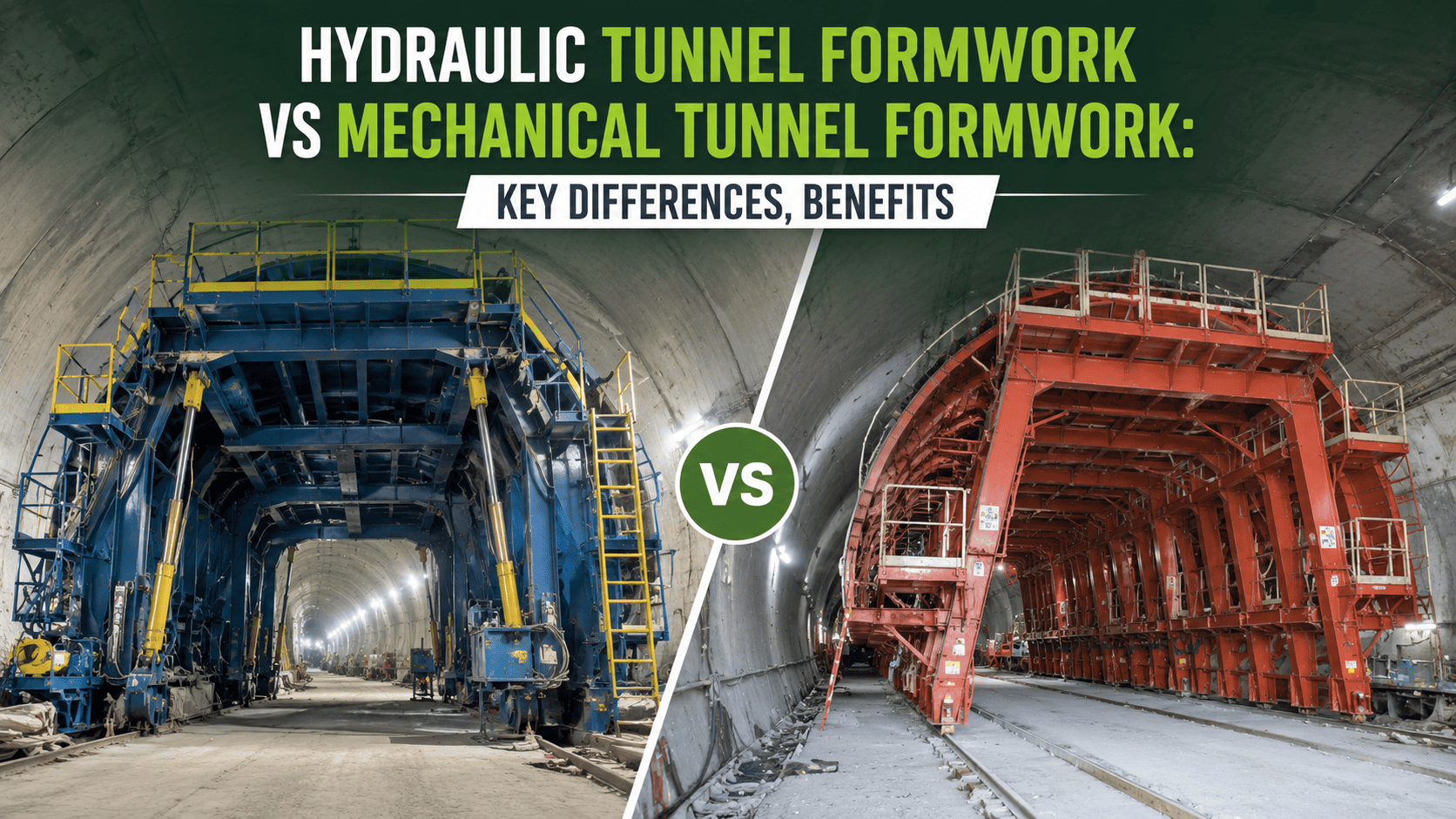
Hydraulic Tunnel Formwork
This type of formwork employs hydraulic systems to set, manipulate and strip formwork, reducing labour. It can also boost output in projects with multiple tunnel sections.
This is especially effective where high cycling between the concreting process is required.
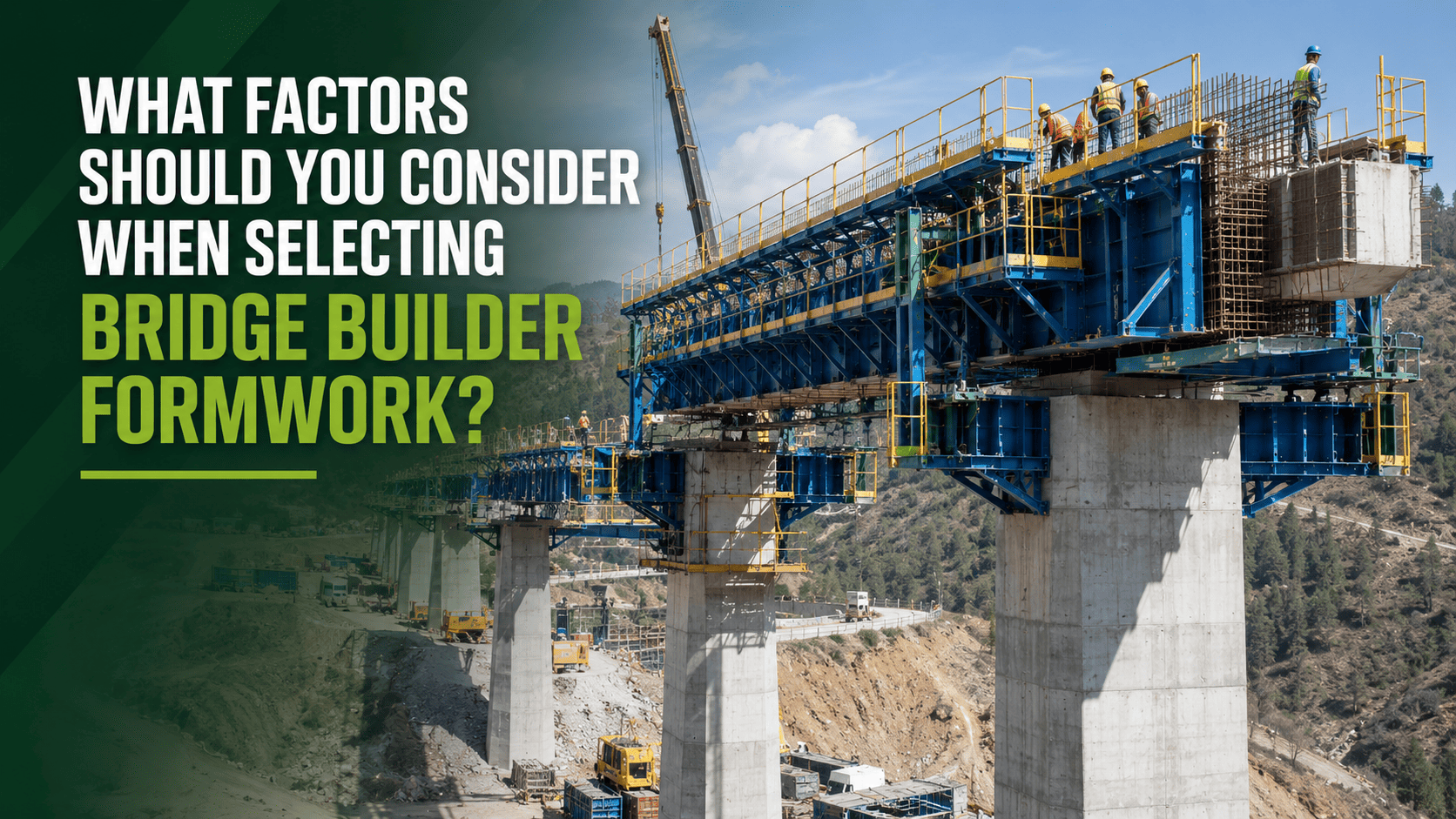
Bridge Builder Formwork: Improving Construction Efficiency
Bridge builder formwork forms bridge parts during construction and can be set at adjustable locations for reuse. The layout is adaptable to any bridge geometry and construction procedure.
The machine helps eliminate repetitive setup work and improves consistency across different concrete sections.
-
Modular Formwork Pieces
The building blocks of the bridge can be assembled and adapted to the widths of the various bridge elements. Reusing components also reduces material use and formwork time.
-
Precision and Structural Soundness
At NPEC (National Power Engineering Company), bridge formwork should definitely withstand all construction pressures, vibration, and loads without undue deflection or movement. Adequate bracing, connections, and support arrangements are critical.
Formwork Systems for Railway Tunnel
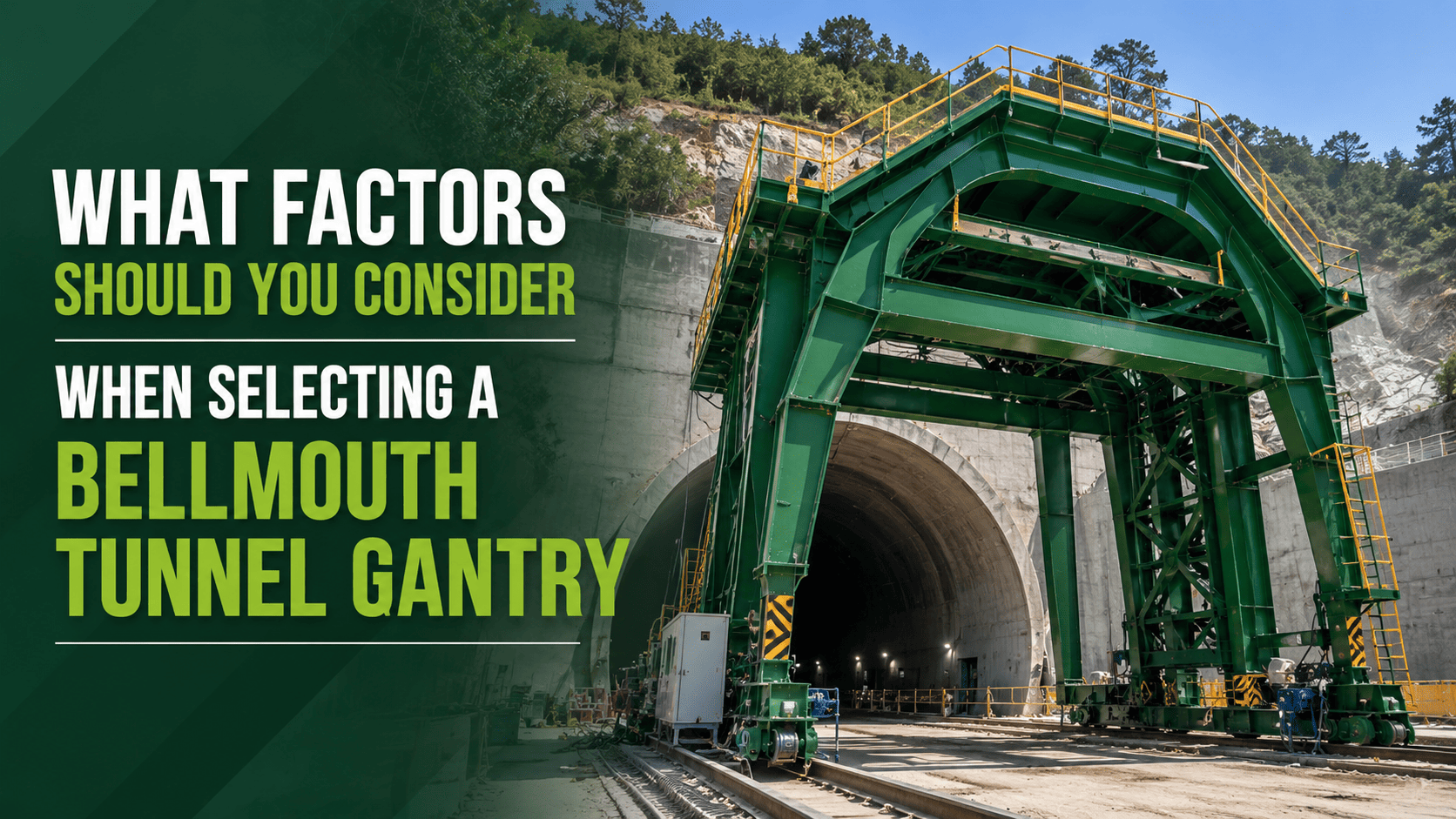
A formwork system is needed to cast accurate, high-quality concrete linings along long tunnels. This system must accommodate the rail geometry, ventilation, services, and limited working space.
Railway tunnel formwork is thus usually based on the railway tunnel profile, lining thickness, construction cycle, and access availability.
-
Tunnel Lining Formwork
The tunnel lining shutter defines the shape of the lining’s internal face and ensures a uniform lining thickness. Placing the lining formwork is important where tunnels follow a curve, have varying cross sections, or include integrated structural elements.
-
Repetitive Construction Cycles
In many railway tunnel projects, the concrete lining is performed several times. The wall forms that can be easily shifted allow you to keep the cycle as predictable as possible and avoid having to wait.
Important Things to Consider Before Buying Formwork
However, choosing the right system involves more than comparing equipment size. Formwork is only suitable if it matches the project structure, construction method, site limitations, and anticipated reuse cycle.
Early technical evaluation can prevent problems with placing, stripping, and transporting concrete, as well as subsequent maintenance cycles.
A) Project Geometry
Basic formwork shape is set by tunnel diameter, bridge width, degree of curvature, lining thickness and structural dimensions. For complex geometry, the formwork may be highly customised.
B) Load and Concrete Pressure
Formwork must resist pressure from fresh concrete, vibration, working loads, and other forces during construction. Engineering calculations shall determine the formwork’s capacity.
C) Handling and Mobility
Formwork for heavy projects needs to be portable, repositionable, and removable; mechanical or hydraulic stripping or repositioning can reduce lifting.
Advantages of Shuttering and Formwork Systems
Contemporary bridge and tunnel formwork can improve structural consistency while minimising repetitive labour and set-up work. Repeatable systems can also improve project scheduling.
The greatest advantages are achieved when the equipment is configured to suit the project’s geometry and construction method.
-
Faster Cycles for Construction
Time can be reduced by arranging stripping, repositioning, and assembly of the forms efficiently.
-
Better Concrete Finish
Shutters should be well-fitted, stiff, and carefully moulded to ensure consistent dimensions. They can also help produce a more level texture.
-
Enhanced Site Safety
If used and fitted correctly, formwork can provide safe working areas and supporting frames, reducing the risk of excessive manual handling.
Conclusion
Bridge and tunnel formwork is essential in concrete construction. From bridge builder formwork to hydraulic tunnel formwork and railway tunnel formwork, the right system boosts quality, accuracy, productivity, safety, and construction uniformity.
Designing tunnel formwork is more challenging and critical, as it requires more planning and a qualified tunnel formwork fabricator from NPEC, because the formwork must be designed and fabricated to suit the tunnel geometry, concrete specifications, construction sequence, and existing site conditions.