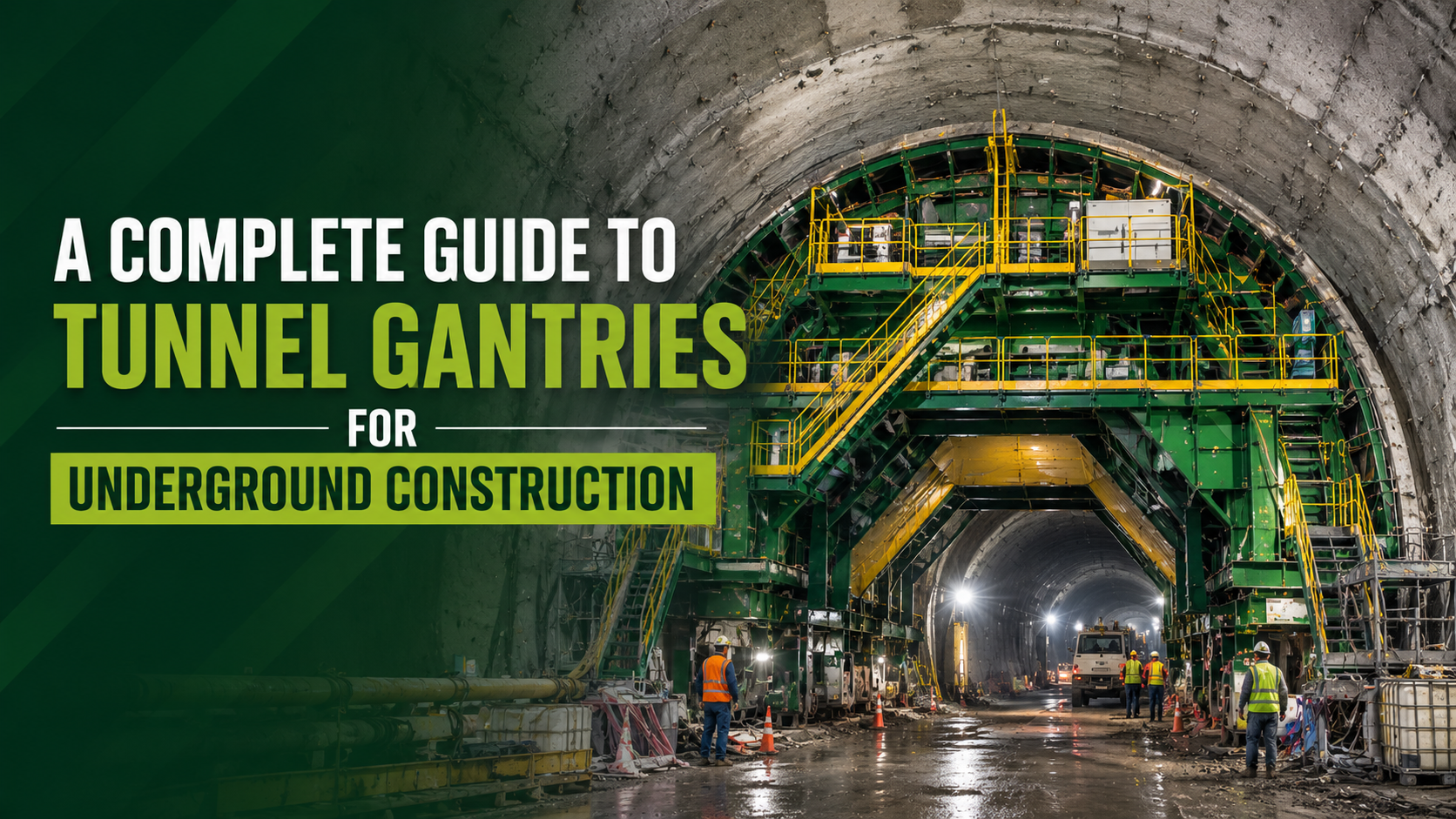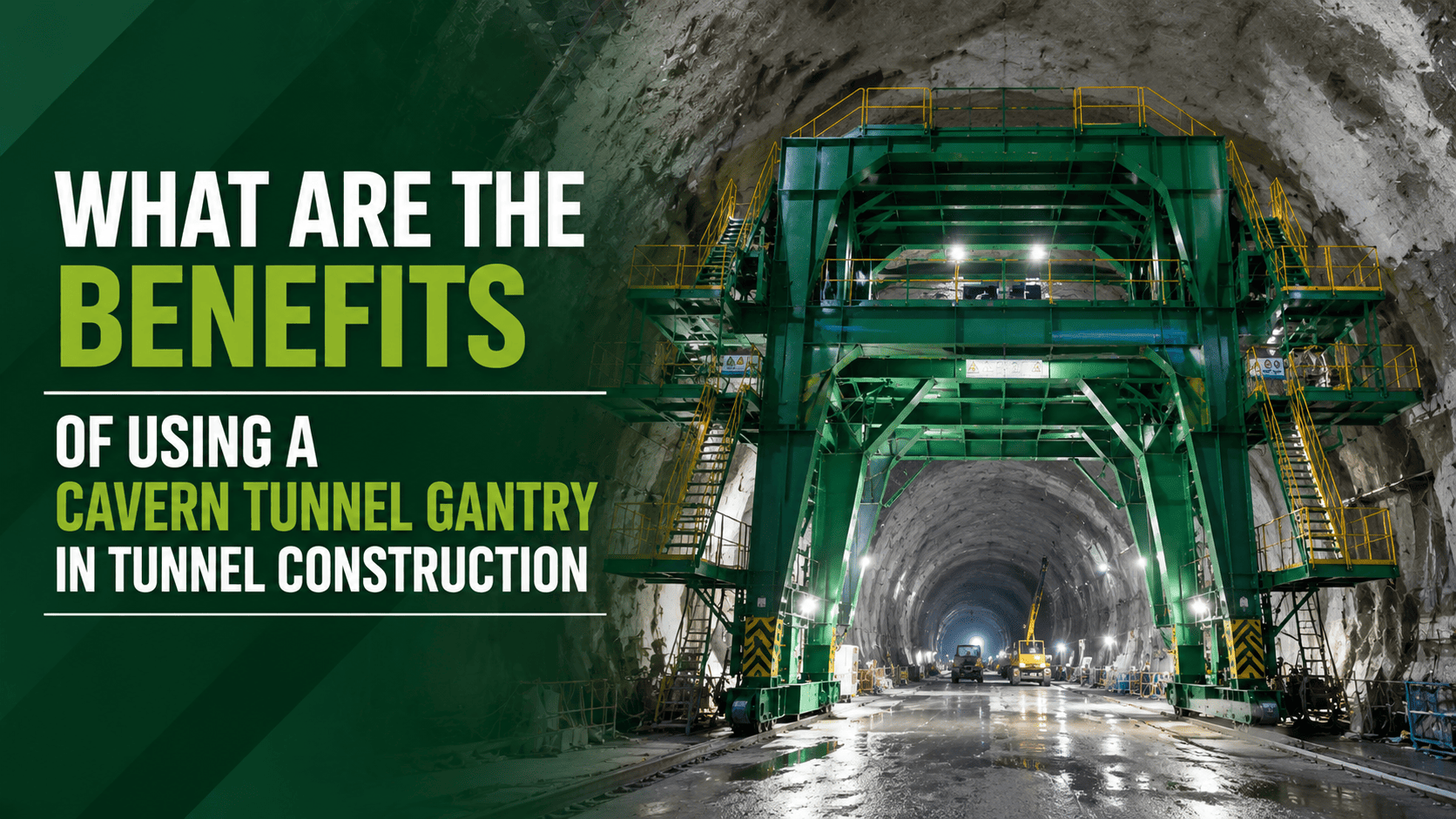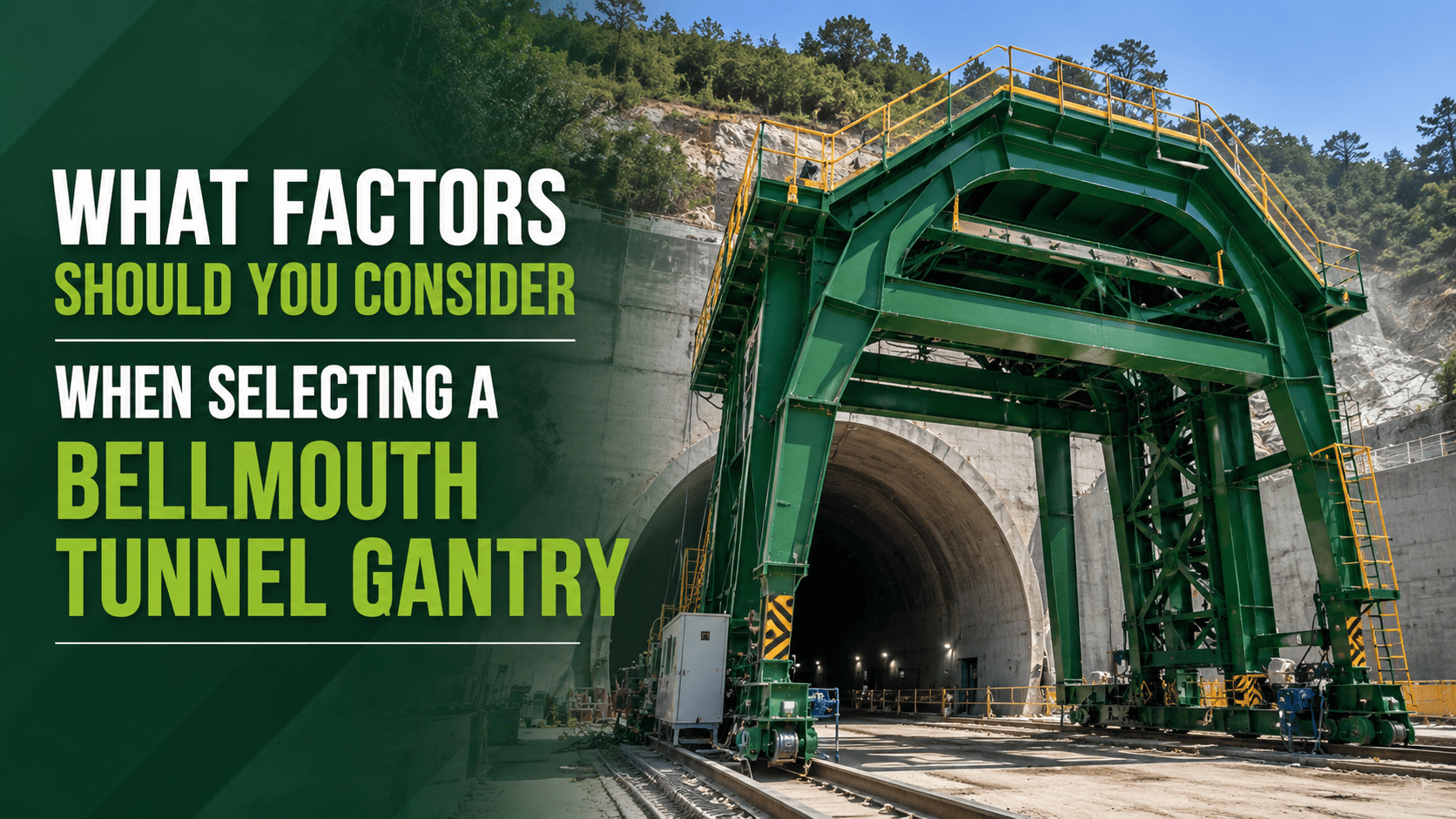
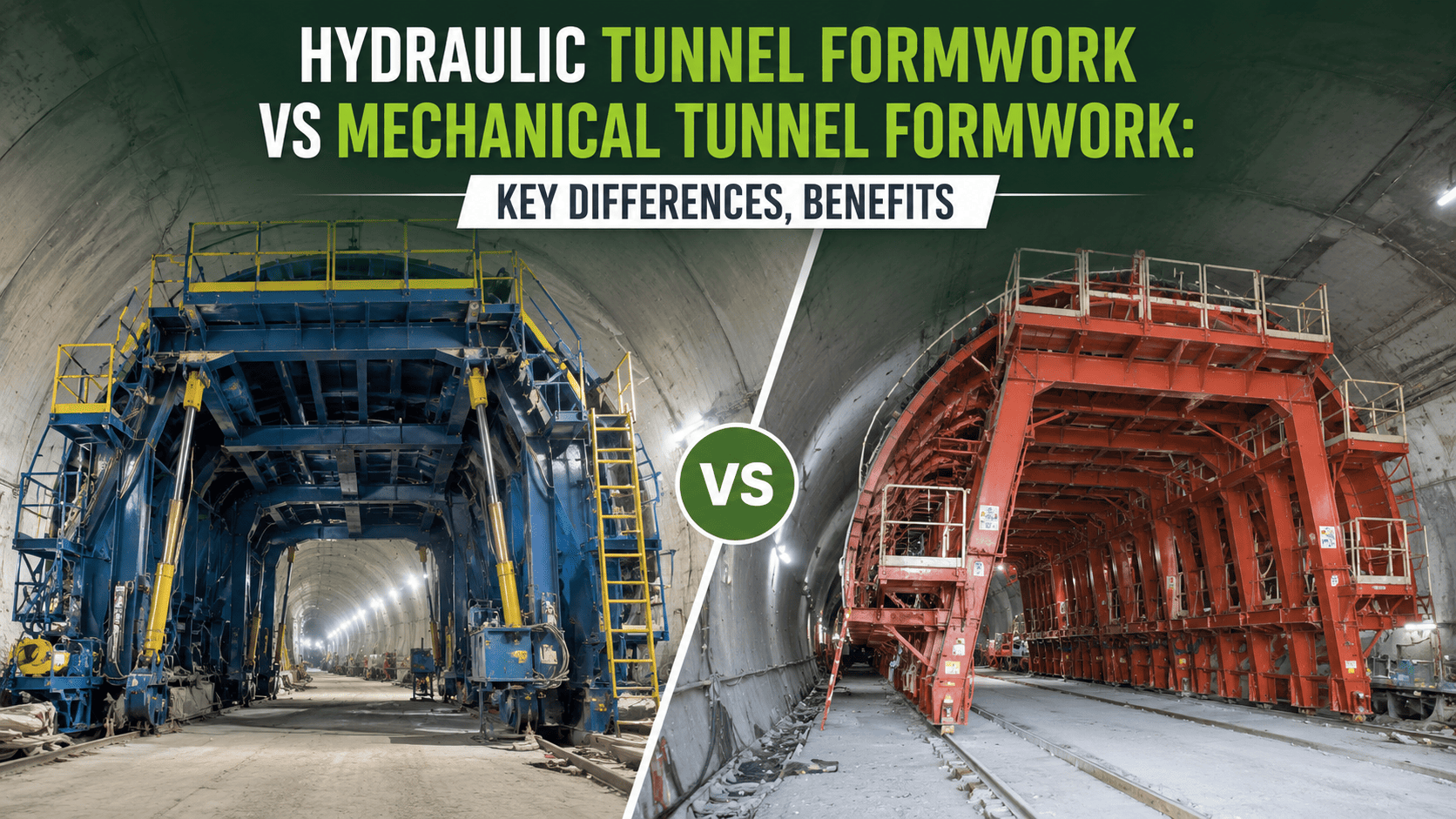
Reliable formwork in tunnel construction is essential to achieve a unique concrete lining with quality and precision. The two most common tunnel formwork types are hydraulic tunnel formwork and mechanical tunnel formwork. Both can be used for all types of tunnel lining work, but they differ in their adjustment capabilities.
Table of Contents
What Is Hydraulic Tunnel Formwork?
Hydraulic tunnel formwork manufacturer in India, mostly uses hydraulic cylinders and related mechanisms to enable required movements such as opening and closing, expansion, adjustment, and release. A reliable hydraulic tunnel formwork manufacturer in India can customise the system based on diameter, section, lining thickness, and other project-specific factors. This system can also be adjusted to accommodate a variety of cross-sections and shapes.
The Benefits of Hydraulic Tunnel Formwork
Hydraulic systems are primarily used in mega-projects where faster construction speed, coupled with fast and accurate formwork adjustments, is mandatory.
-
Rapid positioning
Hydraulics reduce manual adjustments in formwork use.
-
Accurate placing
Controlled hydraulic movements can enable precise positioning.
-
Less manual work
Hydraulics allow the mechanical movement of several elements with less effort.
-
Complex profiles
Hydraulics can be easily adapted to various tunnel-shaped sections.
-
Better construction cycles
Faster stripping and repositioning of formwork can enable repeated lining in many operations.
What Is Mechanical Tunnel Formwork?
Mechanical tunnel formwork combines mechanical equipment and pressure jacks for translational adjustments such as expansion, adjustment, opening, and closing. Mechanical tunnel formwork may be used for projects with simple shapes and infrequent adjustments. A mechanical system delivers the same tunnel-construction effect but with significantly less hydraulic equipment.
The Benefits of Mechanical Tunnel Formwork
Some of the benefits of mechanical tunnel formwork
- Simplicity in design
- Requirement of lesser system complexity
- Superior cost-effectiveness
- Especially for projects where high construction speed is not mandatory.
- It offers exceptional operating reliability even in the most extreme operating conditions, and far fewer maintenance requirements.
The choice between mechanical and hydraulic formwork may be dictated by project specifications, rather than by assuming the latter is more advanced.
Hydraulic vs Mechanical Tunnel Formwork: Key Differences
| Feature | Hydraulic Tunnel Formwork | Mechanical Tunnel Formwork |
| Adjustment | There are hydraulic cylinders and controls | There are mechanical jacks and mechanisms |
| Operation | Seamless and more controlled by nature | More manual |
| Precision | There is higher adjustment control | It certainly depends on mechanical adjustment |
| Labour requirement | Generally lower | Generally higher |
| Customization | Highly adaptable | Adaptable based on design |
It can also be modified to suit specific geometry and project requirements. Also modified based on particular design requirements
Which Systems Should You Choose?
Choose NPEC as your one and only hydraulic tunnel gantry manufacturer in India. Furthermore, we design and assemble the perfect hydraulic system and gantry layout based entirely on your project requirements and specifications. Mechanical systems suit projects with simpler profiles that don’t require many adjustments.
Geometry and lining thickness, construction rate, and budget primarily drive hydraulic or pneumatic system selection. For example, hydraulic systems are needed for “very high diameter” linings, thick linings, and/or complex geometries requiring many adjustments.
Why Manufacturer Expertise Matters?
Formwork in a tunnel project is one of the first and most important decisions. This is because it forms the basis for all subsequent activities and processes. Engage a specialist manufacturer to review the project drawings and existing concreting patterns, and advise on the most suitable formwork system. A qualified hydraulic tunnel formwork manufacturer in India can also personalise the formwork system to specific site requirements, including project size, desired output rate, and other factors that make it easier to use and safer to operate.
Conclusion
All contractors should evaluate the advantages of both hydraulic and mechanical tunnel formwork. While hydraulic systems are often quicker, more accurate, require less labour, and offer higher productivity and shorter cycle times than mechanically designed tunnel formwork, mechanical tunnel formwork is often the safest and most dependable choice for relatively simple geometries.
The choice between mechanical and hydraulic tunnel formwork also depends on the construction methods and geometries of the individual project. A knowledgeable, experienced hydraulic tunnel formwork manufacturer in India can also help select the system best suited to the scope of work while ensuring maximum safety, quality, and accuracy.
Why is hydraulic tunnel formwork superior to mechanical formwork?
Hydraulic tunnel formwork can be superior to mechanical formwork, especially for large projects.
Hydraulic tunnel formwork can be superior to mechanical formwork, especially for large projects.
Look for an experienced professional who can deliver fast, transportable hydraulic tunnel formwork with customised options.