Underground construction projects demand precision, structural strength, and efficient construction methods. As we explore underground tunnel construction, it is evident that advanced formwork solutions are paving the way for safer, more efficient projects.
As one of India’s leading tunnel formwork manufacturers, we at NPEC have provided tailor-made formworks for a revolutionary shift in the underground construction process. The future of tunnelling isn’t about digging deeper but building smarter.
Table of Contents
What Is Tunnel Formwork?
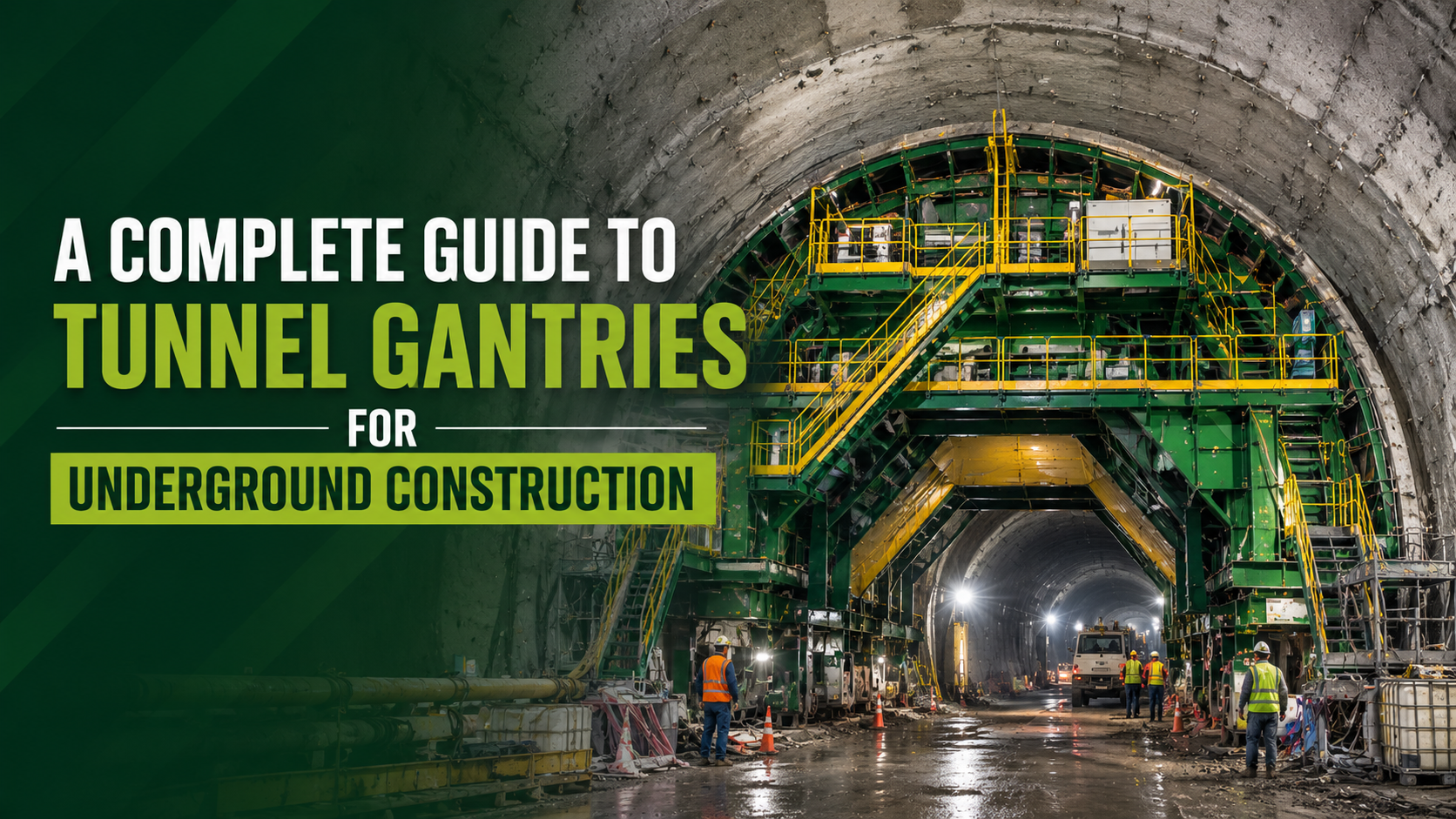
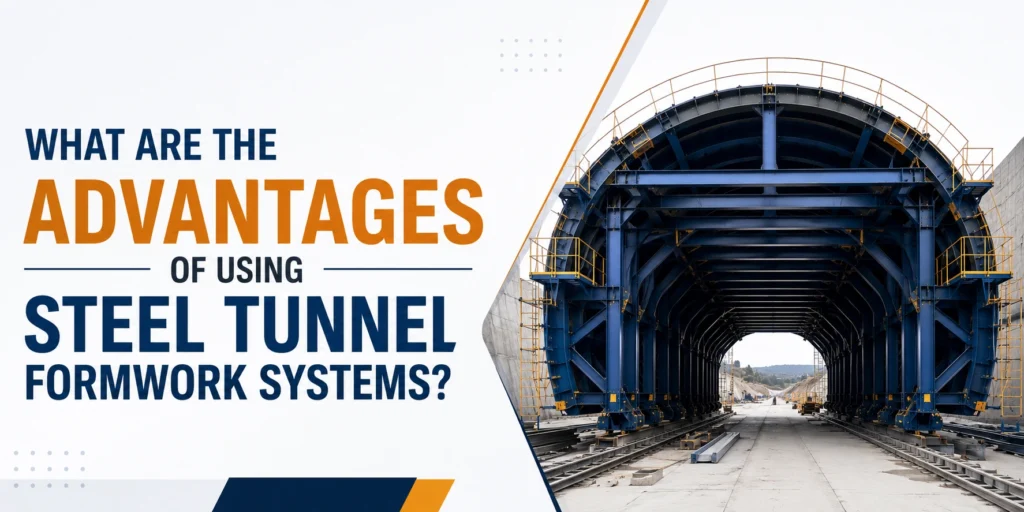
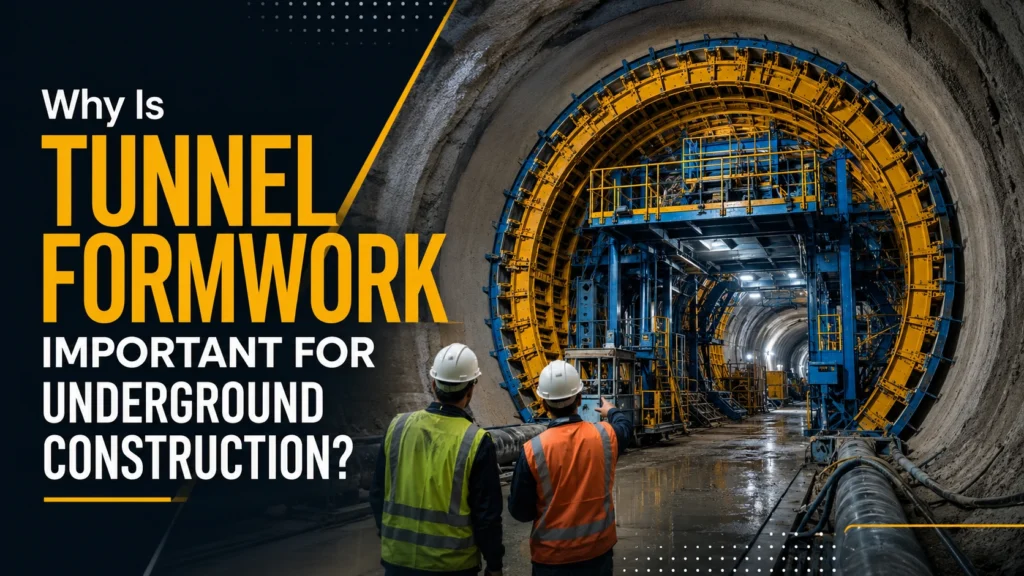
Tunnel formwork refers to a reusable frame that supports concrete pouring during the construction of tunnel linings. After excavation is complete and the necessary reinforcement is in place, concrete is poured onto the frame to form the tunnel lining.
Unlike traditional shuttering techniques, which may require a lot of work before installation, tunnel formwork is specifically designed to be used repeatedly in underground construction. Hydraulic mechanisms can be used to position and assemble the frame.
Tunnel formwork is designed considering several aspects, such as tunnel diameter, sectional form, lining thickness, and geological conditions, among others.
Why is Tunnel Formwork Important for Underground Construction?
- Provides Accurate Tunnel Geometry
One of the most important advantages of tunnel formwork is dimensional accuracy. Underground tunnels often require precise profiles to accommodate railway tracks, roadways, pipelines, ventilation systems, and other infrastructure.
A properly engineered formwork system helps maintain the required tunnel shape and dimensions during concrete placement. This reduces inconsistencies in the finished lining and supports better integration with subsequent construction activities.
- Improves Construction Efficiency
Underground projects often operate under demanding schedules. Reusable tunnel formwork can support repetitive lining cycles, allowing construction teams to follow a more systematic process.
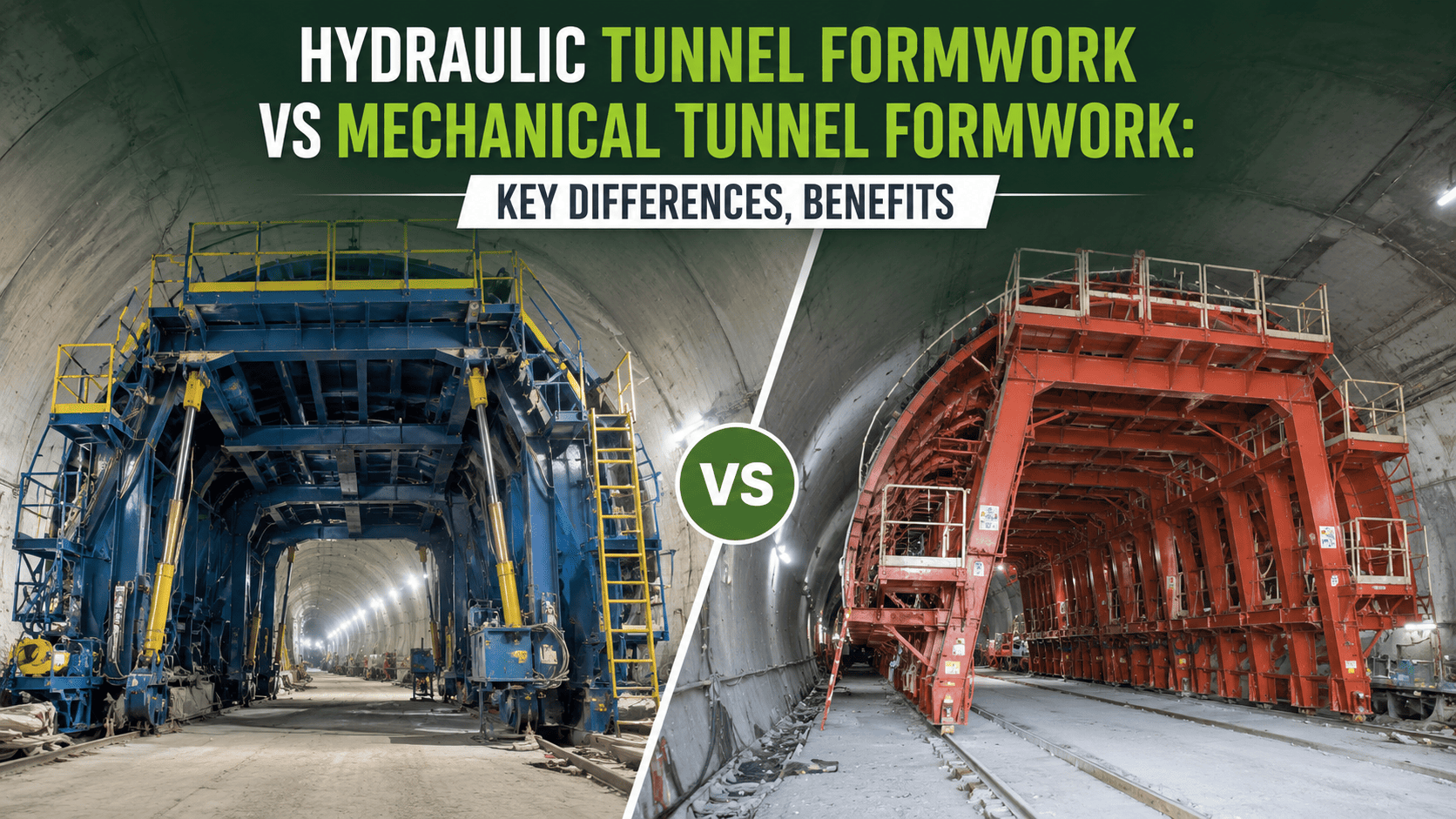
Hydraulic and mechanical gantries can be moved and repositioned as construction progresses. This reduces the need to build conventional shuttering from scratch repeatedly and can contribute to faster construction cycles. NPEC offers both mechanical and hydraulic tunnel gantries, as well as combined systems designed around specific project requirements.
- Supports Consistent Concrete Lining
Tunnel lining contributes significantly to the long-term performance of an underground structure. Formwork provides the framework against which concrete is placed, helping achieve a consistent cross-sectional profile.
Our hydraulic tunnel formwork maintains the required lining thickness and surface geometry. This is particularly important where tunnels need to withstand ground pressure, water pressure, traffic loads, or other operational forces.
- Reduces Dependence on Repetitive Manual Work
Underground construction can involve difficult working conditions and restricted access. Mechanised formwork systems can reduce repetitive manual operations involved in positioning and stripping the shuttering.
Hydraulic tunnel formwork can further simplify these activities by allowing controlled movement of the formwork components. This can improve workflow and help construction teams operate more efficiently.
- Suitable for Different Tunnel Profiles
Every tunnel project has different engineering requirements. A single standard formwork configuration may not be suitable for every application.
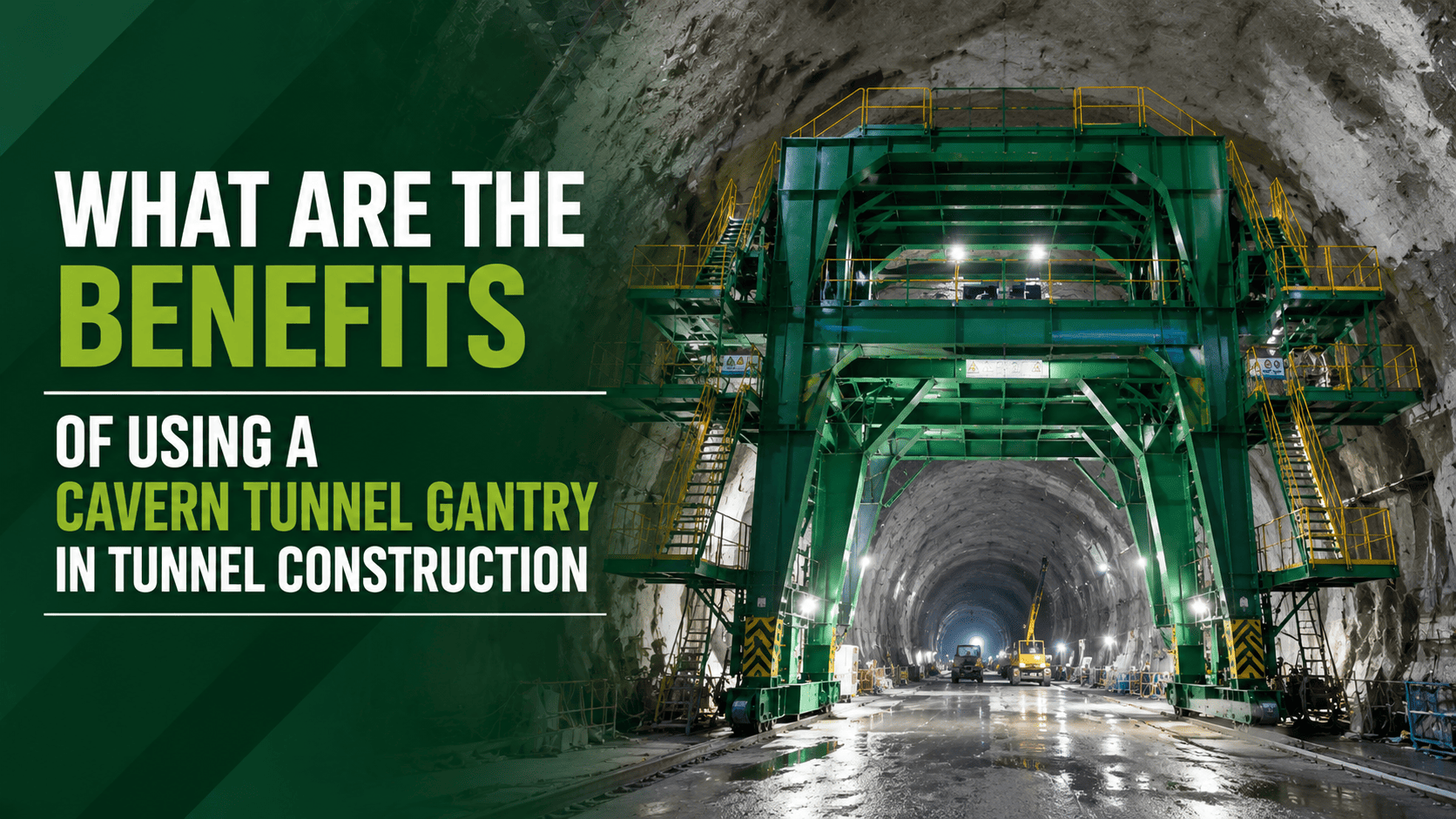
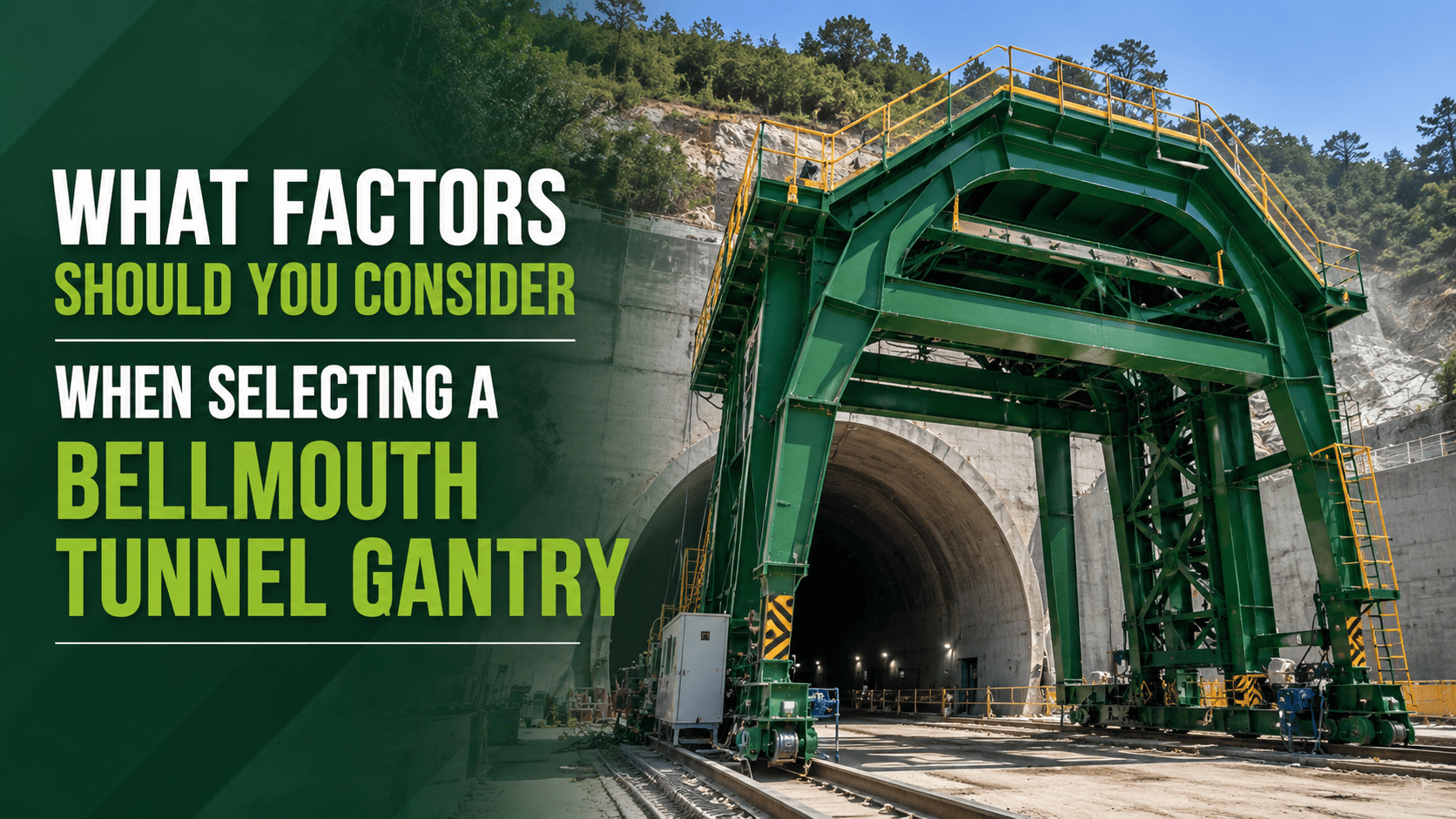
Modern tunnel gantries can be fabricated for different tunnel profiles, including horseshoe, modified horseshoe, D-type, and bell-mouth configurations. Specialised gantries may also be required for areas such as caverns, pockets, T-junctions, and Y-junctions. NPEC states that it has fabricated tunnel formworks ranging from approximately 3.3 metres to 20 metres in diameter.
What are the Applications of Tunnel Formwork?
Tunnel Formwork can be used for the following types of underground construction in India:
- Railway and Metro Tunnels
- Hydropower and water conveyance tunnels
- Road and highway tunnels
- Underground utility tunnels
- Caverns and underground structures
- Shaft and specialised tunnel sections
Based on the tunnel’s geometry, construction method, and site conditions, each formwork system is designed, tested, and introduced.
Conclusion
Introducing a controlled tunnel formwork for concrete lining helps to maintain tunnel geometry, supports consistent construction quality, and simplifies repetitive lining operations.
At NPEC, we act as a one-stop platform for tunnel formwork construction, sourcing, assembling and contracting for all EPCs, Infra companies, and Govt projects in India. As the best tunnel formwork supplier in India, we provide customised tunnel formwork and gantry solutions designed around the requirements of modern underground construction projects in India.